Why E-commerce Projects Need Official Protection
Imagine a situation: you have spent three years investing resources in SEO, buying ads, and building audience loyalty around your online store, and one day you receive a claim for infringing on someone else’s brand. Without the proper documents, you risk losing not only your name but also your domain, social media accounts, and customer trust. That is why professional trademark registration is not a bureaucratic formality, but the creation of a security foundation that turns your project’s name into a liquid intangible asset.
Intellectual property protection in e-commerce has its own specifics depending on the scale and sales platforms. While the priority for a local showroom is its name, for large-scale projects, trademark registration for an IT company developing its own platform or a large marketplace requires a much broader approach to selecting classes of protection.
| Parameter | Local Online Store | Global Marketplace / Fashion Brand |
|---|---|---|
| Main Risk | Loss of domain and name copying by local competitors. | Blocking of listings on Amazon, patent trolling in the US or EU. |
| Object of Protection | Name (word mark) and logo. | Name, logo, unique prints, packaging design, slogans. |
| Geography | Ukraine. | Ukraine + target markets via the Madrid System. |
Timely trademark registration for an online store allows you to legally secure rights to all key elements of your identity. You can protect not only the text but also the visual components that identify you among thousands of other sellers.
What Exactly Is Subject to Registration in E-commerce?
- Store Name: The word or phrase that customers type into a search engine.
- Graphic Logo: A unique combination of colors, fonts, and symbols.
- Slogan: A short phrase that accompanies the brand (for example, in the fashion segment).
- Product Line Name: If you create your own collections under a separate sub-brand.
When you start scaling your business, it is important to understand that online protection is inextricably linked to technical access control tools for resources, where the domain name is the key element.
Store Name Registration and Domain Protection
Can you fully own an online business without having exclusive rights to its name? Legal practice proves that you cannot: until you receive a certificate from the NIPO (National Intellectual Property Office), anyone else can register a similar mark and demand that you stop using the domain or even pay compensation for trademark infringement.
Brand protection online starts not with website development, but with the legal securing of the name. This is critically important for those planning to grow in the Ukrainian market and seeking to obtain a first-level .ua domain, which is a marker of reliability for users. In addition to local protection, proper documentation becomes a passport to international platforms, as trademark registration for selling on Amazon is required to confirm ownership for access to the Brand Registry.
To avoid unpleasant surprises in the future, business owners should understand exactly how the link between a trademark and a domain name works, and why the prestigious .UA zone remains closed to those who have not gone through the procedure at the NIPO.
Benefits of the .UA Domain for Online Business
Obtaining a domain name in the .ua zone is a strategic investment in business reputation. According to the domain registration regulations, only owners of corresponding trademarks can obtain such a name. This automatically cuts off cybersquatters and small-time scammers, creating a high-trust zone for your online store in the eyes of both customers and search engines.
When trademark registration for an online store is completed, you receive not just a paper certificate, but the right to a unique web address that matches your brand. This is a significant SEO advantage: search algorithms are more loyal to resources in the national domain zone because they identify the owner as an official and verified business. Additionally, trademark registration allows you to promptly block fake social media pages and remove counterfeit offers from other marketplaces.
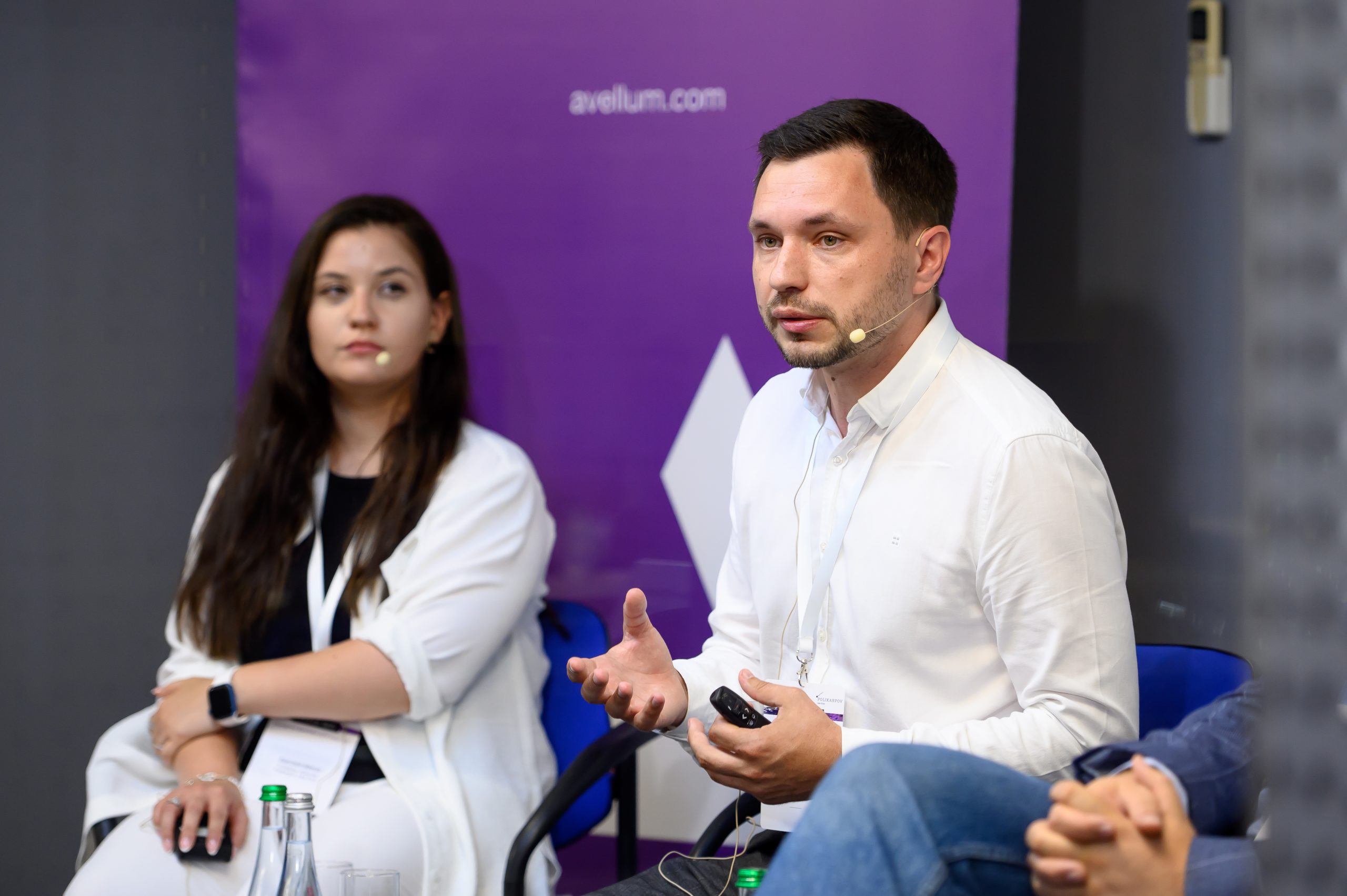
Advice from Anton Polikarpov: You shouldn’t register a domain in the .com.ua zone as a temporary substitute for .ua. If you plan to develop a serious project, start by filing an application with the NIPO today. This will fix your priority and allow you to get the desired domain name as soon as you receive your certificate. Otherwise, you risk that while you are promoting the brand, someone more agile will register an identical mark and take away your right to the direct domain.
Understanding how much it costs to register a clothing brand in Ukraine helps to correctly allocate the budget at the start. Even if you are engaged in another niche, for example, trademark registration for cosmetics, having a .ua domain will become your main digital asset that cannot be legally stolen.
However, before submitting documents to the NIPO, it is necessary to ensure that the chosen name is not taken and will not cause a conflict with existing marks.
Algorithm for Checking Brand Name Uniqueness
Successfully securing a prestigious .UA domain is only the tip of the iceberg. To ensure your name does not become the subject of legal disputes, you must verify that it is legally available. Blindly copying successful naming or ignoring similar marks in your niche leads to trademark registration for an online store ending in a refusal by the NIPO, while the business faces a rights infringement lawsuit.
Professional trademark registration always begins with a deep audit and risk analysis. You must understand: even if an identical name does not exist, confusingly similar names can block your path to the market. We recommend conducting a search not only among registered marks but also among filed applications whose priority may be established earlier than yours.
Checklist (EEAT): How to Check a Brand Name Yourself
- Search NIPO registries: Use the open databases of the National Intellectual Property Office to identify identical or similar marks in your Nice Classification classes.
- Google Search Analysis: Check if anyone is using a similar name as a commercial trade name without TM registration. This could become a basis for challenging your application in the future.
- Social Media Monitoring: Check Instagram, Facebook, and TikTok for active pages with the same name. Conflicts over a username often escalate into the legal sphere.
- Checking Available Domains: If you intend to register a store name, immediately check the availability of addresses in the .ua, .com, and .com.ua zones.
- International Aspect: Even if you are starting in Ukraine, look into the WIPO database (Global Brand Database). If the name belongs to a global giant, entry into international marketplaces will be closed.
Only after you have ensured the uniqueness of your naming can you proceed to document preparation. The right strategy at the verification stage saves months of waiting and tens of thousands of hryvnias on rebranding in case of failure. This stage becomes especially critical when you plan on scaling and registering a TM for selling on Amazon.
TM Registration for Selling on Amazon
Is a Ukrainian TM certificate enough to enter the global e-commerce market? The short answer is no, as legal protection is strictly territorial. Trademark registration for an online store in Ukraine protects you within the country, but for Amazon, your brand remains unprotected until you obtain registration in one of the countries recognized by the marketplace (e.g., USA, Canada, EU countries, or the UK).
Operating on international platforms without a legal shield is a high-stakes game. The fashion industry suffers from design copying the most, and on Amazon, the problem of “listing hijackers” (sellers who join your product listing with counterfeits) can destroy a business in a matter of days. It is worth learning in detail how trademark registration for selling on Amazon works at the product development stage, so as not to invest in a brand that cannot be protected abroad.
To help understand priorities, we have prepared a comparison of the functionality provided by a TM in different business scenarios:
| Feature / Advantage | Local Online Store | Sales on Amazon (Brand Registry) |
|---|---|---|
| .UA Domain Name | Yes (Main advantage) | No impact |
| Protection against listing copying | Through hosting complaints/court | Automated via Brand Registry |
| Enhanced Content (A+) | Depends on site CMS | Only for TM owners |
| Blocking counterfeits | Legal claims, cyber police | Instant removal via the Report a Violation tool |
Once you have decided on your target markets, the next step is connecting to the specialized protection tools provided by the Amazon platform itself.
Features of the Amazon Brand Registry Program
The Amazon Brand Registry program is the ultimate tool that turns your certificate into a real weapon against counterfeiting. Without participating in this program, you are just one of thousands of sellers whose products are easy to copy and whose reputation can be ruined by low-quality fakes. Trademark registration for an online store on Amazon opens access to brand analytics, allows you to create your own virtual Storefronts, and use A+ Content to increase conversion.
The most important function is preventive protection. Amazon’s system uses machine learning to identify suspicious listings trying to use your images or logos. Many entrepreneurs ask why trademark registration is necessary for sole proprietors on the international stage if sales volumes are still small. The answer is simple: the exclusive right to use the name allows you to be the only legal seller of your product, which is critical for maintaining the Buy Box.
Expert Insight from Anton Polikarpov: When choosing a jurisdiction for registration under Amazon, focus on your strategy. If your goal is the USA, register directly with the USPTO. This gives you the right to Brand Registry just a few days after filing (through the IP Accelerator program). If you are focusing on Europe, an EU trademark (EUIPO) will cover 27 countries at once, which is much more cost-effective than separate national filings. Remember that Ukrainian registration is the “homework” you need to complete to protect your domain and local production, but for the global game, you need international tools.
In addition to protection on specific marketplaces, large brands use centralized mechanisms for expanding protection, which we will discuss in the context of the Madrid System.
International Registration under the Madrid System
The Madrid System is the optimal path for those viewing Amazon as a springboard to a global presence. If you have already experienced the benefits of a protected brand in one market, it is time to scale that success to dozens of other jurisdictions without excessive bureaucracy.
The core value of the system lies in the “one-stop-shop” principle: you file a single application with the NIPA (National Intellectual Property Authority), pay one set of fees in Swiss francs, and designate the countries where protection is required. This significantly simplifies the management of your intellectual property portfolio, as you do not need to find and pay for the services of patent attorneys in each individual country at the filing stage. This approach makes the process as transparent as possible, which is particularly important for startups where the budget for legal support is limited. We often recommend this mechanism to clients whose strategy involves active expansion into global marketplaces, as it allows adding new countries to an existing international registration later on.
Why is the Madrid System about savings, not expenses?
There is a myth that international protection is too expensive and only accessible to corporations. However, in the long term, it is the most cost-effective investment. First, you avoid numerous government fees for transferring documents between national offices. Second, registering a trademark for an online store via the international procedure allows for centralized changes (for example, a change in the owner’s address) in all countries simultaneously.
- Territorial flexibility: You choose only those markets where you actually plan to sell (USA, EU, Canada, China).
- Priority: You maintain the date of your first filing in Ukraine, giving you an advantage over competitors who might try to register a similar mark later.
- Currency control: Paying fees through WIPO helps avoid many hidden commissions from local banks in different jurisdictions.
Once you have secured your position at the international level, it is important not to forget the foundation—properly building your brand’s internal legal processes.
Legal Steps for Launching Your Own Clothing Brand
Is it enough to simply create an aesthetic logo and launch an Instagram ad campaign to be considered a full-fledged fashion business owner? In our practice, we often see situations where brands with perfect products become hostages of their own oversight due to a lack of legal protection.
Official trademark registration is not just a framed piece of paper, but legal armor that transforms your creative concept into a full-fledged intangible asset. When we talk about the fashion industry, where the line between inspiration and plagiarism is very thin, it is vital to understand every stage of transforming identity into intellectual property. By following the basic steps of clothing brand registration, you secure your right to protection in courts and before marketplace administrations.
Next, we will break down the technical nuances that determine the scope of your protection: from the correct selection of product categories to the legal securing of every unique print or hardware element.
Choosing the Right Nice Classes for Fashion
Selecting classes under the International Classification of Goods and Services (Nice Classification) is a strategic stage that defines the boundaries of your brand’s “inviolability.” A mistake at this step can lead to your name being protected for making dresses, but completely defenseless if a competitor opens a store with the same name selling products from other manufacturers.
A key trap for beginners is focusing solely on Class 25 (clothing, footwear, headgear). However, professional trademark registration for e-commerce must include Class 35. This class covers retail services, advertising, and management. Without this class, you won’t be able to effectively prohibit another entrepreneur from using your name in a domain name or on a store sign. Moreover, considerations regarding how much it costs to register a clothing brand in Ukraine should start with an audit of the necessary classes, as each additional class affects the amount of government fees paid to the NIPA.
| Business Type | Recommended Nice Classes | Scope of Protection |
|---|---|---|
| Local showroom (resale) | 35 | Protection of the store name, sales services, and advertising. |
| In-house clothing production | 25 | Brand protection on labels, prevention of copies being sewn under your name. |
| Scalable fashion brand | 25, 35, 18 (accessories) | Comprehensive protection: from product manufacturing to your own retail network and online platform. |
Remember that choosing a list that is too narrow leaves room for patent trolls, while one that is too broad increases the risk of refusals due to conflicts with existing marks in related fields. A professional approach allows for the maximum level of security with optimized costs, forming the basis for the further protection of your collections’ visual components.
Protecting the Logo and Unique Design Elements
Beyond the correct selection of classes, it is critically important to protect the visual component of your identity. In the fashion industry, a name is often inseparable from its graphic execution, so registering a combined mark (logo together with text) is the gold standard of protection. This allows you to stop attempts by competitors to use similar font solutions or graphic elements that mislead the consumer.
What exactly can and should be registered as a TM:
- Brand name (word part) — protects the word itself in any font or style.
- Logo (figurative part) — a graphic symbol without being tied to the name.
- Combined mark — a combination of the name and a unique graphic style.
- Slogan — a short phrase that identifies your brand.
- Original print or hardware — in certain cases, design elements can be protected as a TM if they possess the characteristics of trade dress.
For those planning to scale, it is important to understand: local success quickly attracts the attention of copy-pasters. If you are entering international marketplaces, trademark registration for selling on Amazon becomes a mandatory technical step. This provides access to Brand Registry tools, which allow you to remove counterfeit listings in a matter of hours. Without a legally secured logo, you remain defenseless against “listing hijackers” who may borrow your design and sell fakes under your name, destroying your brand’s reputation.
Protecting unique design elements, such as a signature fabric print, requires a comprehensive approach: a combination of copyright and TM registration. This creates a reliable legal shield that makes copying your collections financially risky for infringers. Once we have determined the objects of protection, a logical question arises: how much does it cost to turn a creative idea into a legally protected asset?
Calculating the Cost of Brand Registration in Ukraine
Is it possible to name a fixed amount for the “entry ticket” to the world of a legally protected business? In reality, the budget for securing rights is not a static price tag but a flexible builder, where each element affects the final figure. Understanding the cost structure allows you not just to “pay for a piece of paper” but to consciously invest in the capitalization of your company.
For accurate budget planning, it is worth studying the detailed calculation of the cost of registering a clothing brand, as the final bill will depend on the chosen protection strategy. Professional trademark registration helps avoid hidden costs arising from errors in the application or an incorrectly formed list of goods. Next, we will break down exactly which factors form the official fees and how to optimize these costs without losing the quality of protection.
Factors Affecting the Amount of Official Fees
The amount of official fees for filing an application and conducting examination is regulated by law and paid to the accounts of the NOIP (National Office of Intellectual Property). The main influencing factor is the number of ICGS classes: you have to pay extra for each additional class, so it is important to find a balance between the breadth of protection and financial capabilities. If you plan to use trademark registration for an online store in only one niche, you should not claim dozens of extra categories “for the future.”
| Influencing Factor | Impact on Cost | Expert Comment |
|---|---|---|
| Number of ICGS classes | The fee is paid for each class separately. | Choose only those classes where activity is actually conducted. |
| Color execution | Filing a color logo is more expensive than black and white. | Black and white registration provides broader protection for use in different colors. |
| Number of applicants | If there are several owners, the fee increases by 30%. | It is better to register to a single individual or legal entity. |
Another important nuance is the method of filing. Electronic application filing allows for a significant discount on the official fee compared to the paper form. Given that the cost of registering a clothing brand in Ukraine also includes a fee for the publication of the grant of the certificate, the total amount can range from a few thousand to tens of thousands of hryvnias. It is important to understand that this money is the price of your peace of mind and the exclusive right to use the name. Once the financial plan is formed, all that remains is to go through the procedural path, which consists of several key stages of examination.
Stages of Examination and Issuance of the Certificate
The journey from filing an application to receiving a legal title is a strictly regulated legal marathon, where every mistake in the description or the list of goods can cost months of waiting. The procedure at the NIPO (National Intellectual Property Office) consists of several critical filters that weed out weak or unoriginal designations. Understanding how your application progresses allows you to plan marketing activities and business scaling without the risk of receiving a sudden refusal.
What exactly should be protected: objects of registration
Before starting the bureaucratic engine, it is important to determine which elements of your identity require legal protection. For e-commerce projects, we usually recommend a comprehensive approach, as trademark registration for an online store involves protecting not just a word, but the customer’s visual perception of the brand.
- Word mark: The name of your store or clothing line (e.g., unique naming).
- Graphic logo: Unique lettering, an emblem, or a brand character.
- Slogan: A short phrase that identifies your approach to service or style.
- Combined mark: A combination of text and graphics, which is the most common option for the fashion industry.
Comparing registration benefits for different business models
The value of a trademark certificate varies depending on where exactly you sell. While it is important for a local showroom to protect its physical signage, for marketplace players, the legal purity of the name is a matter of account survival.
| Parameter | Local Store / Showroom | Marketplace (Amazon, Rozetka) |
|---|---|---|
| Main benefit | Protection against name copying by neighboring competitors. | Access to Brand Registry and protection of listings. |
| Domain name | Opportunity to obtain a prestigious .UA domain. | Important for SEO promotion of an external website. |
| Scaling | Franchising and sale of licenses (royalties). | Easy entry into international markets via the Madrid System. |
Registration algorithm: from priority to certificate
The registration process in Ukraine today does not provide for the official “accelerated” procedure that existed previously, so one should focus on standard examination timeframes. Your security begins from the moment the priority date is established.
- Filing the application and establishing the priority date. From this moment on, no one else can register a similar name.
- Formal examination. NIPO checks the correctness of the documents and compliance with the selected Nice Classification classes.
- Substantive examination. The most difficult stage, where experts check the mark for uniqueness and the absence of conflicts with already registered trademarks.
- Publication and issuance of the certificate. The final stage, after which you become the full owner of the asset for 10 years.
It is important to understand that at any of these stages, an examiner may send a notification of a possible refusal. It is at this stage that professional trademark registration helps to competently prepare a response and defend the right to your brand. A clear understanding of procedural nuances turns paperwork into the strategic construction of your business foundation.
Your Brand Is Your Capital
Your brand is not just a pretty picture or a catchy name; it is capital that grows in value with every item sold and positive review. In the world of e-commerce, where competition is measured by a single click, the lack of legal protection makes your business vulnerable to the actions of patent trolls or unscrupulous opponents. Trademark registration for an online store turns a name into an intangible asset that can be capitalized, added to the share capital, or profitably sold along with the business.
We have discussed how to correctly choose Nice classes for the fashion industry, why the .UA domain is a marker of trust, and how to enter the global market by registering a trademark for selling on Amazon. Each of these steps is a brick in the foundation of your security. Remember that professional support from Polikarpov Legal allows you to avoid critical errors during the NIPO examination, saving you time and money on fixing refusals.
Do not leave your success on the “rented land” of others’ rights. You can start your protection right now to secure your priority and be confident in the future of your project. We recommend registering a clothing brand in Ukraine today, before your idea is implemented and claimed by someone else.
Frequently Asked Questions
Does trademark registration protect a profile name on Instagram or Facebook?
Yes, having a trademark certificate is a key tool for brand protection on social media. Meta platforms (Facebook, Instagram), as well as TikTok and YouTube, have internal procedures for handling intellectual property infringement complaints. With a registered TM, you can:
- demand the removal of content that copies your brand;
- block fake accounts (“clones”) that mislead customers;
- in some cases, apply for verification (the blue checkmark) as an official brand representative.
Without legal confirmation of rights (a certificate), social media administrations usually reject requests to remove infringing accounts, citing a lack of evidence of ownership of the name.
What is the validity period of a trademark certificate and how to renew it?
A trademark certificate in Ukraine is valid for 10 years from the date of filing the application with the NIPO (National Intellectual Property Authority). The owner has the exclusive right to renew this term for another 10 years an unlimited number of times.
To extend the protection, it is necessary to:
- submit a corresponding application during the last year of the certificate’s validity;
- pay the state fee for the TM renewal.
If the owner misses the renewal deadline, the law provides an additional 6 months to file the application, provided an increased fee is paid. If this deadline is also missed, the registration expires, and the name becomes available for registration by others.
Can an individual own a brand, or is it mandatory to register a TM for a company (LLC)?
Ukrainian legislation allows for the registration of a trademark to both a legal entity and an individual (including individual entrepreneurs). The choice depends on your business model:
- Registration to an individual: ensures the founder retains the rights regardless of what happens to their business (for example, if the LLC closes). It also facilitates the process of transferring rights or granting licenses to one’s own companies.
- Registration to a company: allows for business capitalization, as the TM becomes an intangible asset on the company’s balance sheet, increasing its investment attractiveness.
It is important to remember that to enter international markets via the Madrid System, the owner of the Ukrainian TM and the international application must be the same person.
What is "non-use of a trademark" and why is it dangerous for business?
If a registered trademark is not used in Ukraine continuously for 5 years from the date of publication of the certificate’s issuance, any interested party may apply to the court to terminate your registration prematurely.
To avoid the risk of TM cancellation through the court, the owner is recommended to keep evidence of actual use of the mark:
- supply contracts and invoices;
- advertising materials (booklets, links to online advertising);
- photos of products with the logo applied;
- participation in exhibitions and trade fairs.
This is particularly important for popular names that competitors or “patent trolls” might claim.
How to protect a brand name if you plan to expand the range to cosmetics or accessories?
When initially registering a clothing brand, Nice classes 25 and 35 are usually chosen. However, if there are plans to launch a line of perfumes, jewelry, or bags, it is necessary to take care of protection in the relevant classes in advance:
- Class 03 — cosmetics, perfumes, soap;
- Class 14 — jewelry, watches, costume jewelry;
- Class 18 — leather goods, bags, suitcases, umbrellas.
If you registered the name only for clothing (Class 25), another entrepreneur can legally register the exact same name for cosmetics. Therefore, strategic planning of classes at the application stage saves money and protects the brand from dilution in the future. Learn more about expanding the list of goods on the trademark registration page.
Can just a color or a packaging shape be registered as a TM?
Yes, in addition to names and logos, there are so-called non-traditional trademarks. In Ukraine and worldwide, you can register:
- Color: if you can prove that a specific shade is associated by consumers exclusively with your brand (for example, the specific Tiffany turquoise).
- Three-dimensional marks: a unique shape of a perfume bottle or a specific shoe sole shape.
- Position marks: the specific placement of an element on a product (for example, the red sole of shoes or a special pocket arrangement).
Registering such objects is significantly more complex than a standard registration, as it requires substantial evidence of the brand’s acquired distinctiveness in the market.