
Case law on pharmaceutical patent disputes in Ukraine focuses on two opposing vectors: originators protecting their monopolies through infringement lawsuits, and generic companies demanding the invalidation of patents or seeking declaratory relief for non-infringement. Key success factors include the decomposition of the invention claim, distinguishing between anticipation and obviation concepts, refuting the doctrine of equivalents, and properly framing questions for forensic examinations.
- Pharmaceutical patent disputes require meticulous work with independent claim features: refuting the use of even a single feature nullifies the fact of infringement.
- Secondary (“evergreen”) patents for salts, polymorphs, dosages, or new therapeutic regimens are increasingly invalidated due to a lack of novelty (anticipation) or an inventive step (obviation).
- Interim relief in the form of banning the state registration of a generic drug or suspending its introduction to the market is subject to strict proportionality control and requires the mandatory application of counter-security.
- Intellectual property forensic examination remains the primary means of proof; however, flaws in the expert’s methodology create opportunities for its disqualification and the appointment of repeated studies.
- Border enforcement measures and recording rights in the dedicated customs registry make it possible to intercept disputed imports before they reach wholesale and retail pharmacy chains.
The pharmaceutical market in Ukraine operates in an environment of fierce competition between multinational original drug manufacturers and powerful national and international generic manufacturers. Every month of patent monopoly generates millions in revenue for originators, while for a generic company, a timely Day-1 launch following the expiration of the base patent is a matter of market survival and distribution share. Consequently, pharmaceutical patent disputes are characterized by extreme procedural tension, complex chemical research, and the intertwining of commercial lawsuits with regulatory procedures of the Ministry of Health and the State Service of Ukraine on Medicines and Drugs Control.
Since the amendments to the Law of Ukraine “On Protection of Rights to Inventions and Utility Models” took effect and modern practice of the Commercial Cassation Court within the Supreme Court was established, the rules of the game have changed significantly. Courts have moved away from the formal protection of any protective title, focusing instead on a realistic examination of the inventive contribution and preventing the unjustified extension of drug monopolies through manipulations in registering secondary forms of active substances. The review of pharmaceutical patent infringement cases in the High Court of Intellectual Property, whose procedural launch is awaited by the market, currently remains within the jurisdiction of specialized panels of commercial courts, where deep judicial analytics and a well-balanced defense strategy come to the forefront.
Proving the Absence of Patent Infringement in Court
The review of any patent conflict begins with the analysis of stated claims and the comparison of the patent claim with the defendant’s drug at the initial stage of the proceedings. An infringement lawsuit filed by an original drug manufacturer typically contains a categorical assertion that the generic drug replicates all features of the patented invention. To build an unassailable defense, lawyers for the generic company must apply a systematic analytical approach: thoroughly study the active substance, the manufacturing technology of the finished dosage form, excipients, and compare them with each feature included in the independent claim of the opponent’s patent.
Pursuant to Article 28 of the Law of Ukraine “On Protection of Rights to Inventions and Utility Models,” an invention is recognized as used if each feature included in the independent claim of the invention, or an equivalent feature, has been applied. The absence of even a single feature of the independent claim in the generic product automatically rules out direct infringement. However, opponents frequently attempt to expand the scope of the monopoly using the doctrine of equivalents, arguing that the modification used by the generic performs the same function in the same way to achieve an identical therapeutic result. Recognizing this risk, it is crucial to implement in advance a detailed defense algorithm for a pharmaceutical manufacturer in the court of first instance, neutralizing manipulations regarding equivalence right at the stage of submitting the statement of defense.
- Decomposition of Independent Claims: Breaking down the plaintiff’s independent claim into discrete technical features (generic attributes, specific differences, structural chemical radicals, mass fraction ratios).
- Blocking the Doctrine of Equivalents (File Wrapper Estoppel): Examining the prosecution history of the patent holder’s application (if during examination the patent holder abandoned certain features to overcome the examiner’s citations, they are barred from relying on them as equivalents in court).
- Proving the Use of One’s Own Innovation: Submitting patents for proprietary technological synthesis methods, polymorphic modifications, or excipient combinations that confirm the independent nature of the development.
- Initiating a Counterclaim: Simultaneously filing a lawsuit for the full or partial invalidation of the plaintiff’s patent due to non-compliance with patentability conditions, creating a balance of pressure in the proceedings.
Analysis of Patent Claims and Infringement Features
The specifics of chemical and pharmaceutical formulas lie in the fact that pharmaceutical claims are often constructed using Markush structures. Such formulas cover thousands and sometimes millions of potential chemical compounds by defining a basic molecular skeleton and a list of variable substituents (R1, R2, R3). When an original drug manufacturer claims infringement based on a Markush structure patent, case law requires proof that the specific molecule of the generic was directly individualized in the primary patent description.
A common mistake made by plaintiffs is attempting to hold a defendant liable based on the presence of a similar pharmacological mechanism of action despite substantial differences in spatial structure, hydration state, or salt type of the compound. To refute the use of a feature, the defense must focus on its technical function. If the patent holder specified a particular salt of the active substance (e.g., mesylate) in the independent claim to increase bioavailability, while the generic uses hydrochloride or a free base with a specific delivery system, direct infringement is absent, and the application of equivalence is impossible since the path to achieving the technical result is fundamentally different.
Application of the Bolar Rule and Procedural Traps
A special place in pharmaceutical conflicts is occupied by the application of exceptions to patent protection enshrined in Article 31 of the Law of Ukraine “On Protection of Rights to Inventions and Utility Models,” known in international practice as the “Bolar exemption.” This rule guarantees a generic company the right to conduct research, testing, manufacture experimental batches, and submit a registration dossier to the state authority (State Expert Center of the Ministry of Health of Ukraine) prior to the expiration of the originator’s patent, enabling a market entry immediately on the day after the patent expires.
Original corporations attempt to treat any generic activity prior to patent expiration as a threat of infringement. However, the Supreme Court’s case law clearly distinguishes between preparatory regulatory actions and introducing goods into commercial circulation:
Nevertheless, generics should avoid dangerous procedural traps: concluding preliminary commercial supply contracts, placing advertisements in specialized catalogs indicating commercial prices prior to patent expiration, and registering maximum wholesale-selling prices for participation in public procurement. Courts frequently classify such actions as an actual offer for sale, which removes the company’s behavior from the protection of the Bolar exemption. Furthermore, companies should consider protecting not only patents but also complementary assets by reviewing regulatory provisions established by the Law of Ukraine “On Protection of Rights to Trademarks for Goods and Services”, as parallel trademark lawsuits are a typical element of comprehensive pressure.
Building a defense at the first-instance level is inextricably linked to the Supreme Court’s legal positions regarding the actual scope of the monopoly, where the fate of so-called “evergreen” patents is decided.
Supreme Court Precedent Practice Regarding Medicines
The success of judicial defense in the court of first instance largely relies on the legal doctrines formed by the Supreme Court when reviewing decisions concerning the patentability of pharmaceuticals. The pharmaceutical sector has long suffered from the phenomena of patent thickets and evergreening. After the expiration of the base patent for the active molecule, international corporations artificially prolonged exclusivity by obtaining new patents for isomers, crystal lattices (polymorphs), metabolites, specific dosages, or secondary medical indications.
The Supreme Court’s case law in patent protection disputes over recent years has made a fundamental pivot toward strict patentability assessment. The Commercial Cassation Court consistently implements the European approaches of the European Patent Office (EPO), according to which the mere discovery of a new form of a known compound without an unexpected synergistic therapeutic effect is viewed as an obvious development of science that does not deserve monopoly protection. When analyzing materials reflecting the Supreme Court’s case law on pharmaceutical disputes, special attention should be paid to the doctrines of anticipation (destruction of novelty) and obviation (obviousness, lack of inventive step).
| Evaluation Parameter | Anticipation (Destruction of Novelty) | Obviation (Lack of Inventive Step) |
|---|---|---|
| Substantive Legal Essence | All features of the invention were already disclosed in a single publicly available source prior to the priority date (lack of novelty). | The invention logically stems from the prior art for a person skilled in the art of pharmacy (obviousness). |
| Prior Art Sources | Exclusively one specific source (patent, publication, report, article) where the solution is disclosed “one-to-one.” | A combination of two or more sources (mosaic comparison) that collectively prompt the specialist toward the result. |
| Evidentiary Test | Identity test: whether the compound is described in such a way that a specialist could immediately synthesize and apply it. | Problem-solution approach: whether the specialist had an incentive to combine knowledge to solve the problem. |
| Typical Targets of Attack | Polymorphs, enantiomers, compounds disclosed in generic Markush structure patents, clinical reports. | Change in release form (tablet to solution), dosage (twice a day instead of three times), known combinations without synergy. |
To understand how these criteria turn into procedural weapons, it is necessary to examine the specifics of applying the doctrines of anticipation and obviation in the Supreme Court’s practice, which directly determine the success of defense in patent invalidation cases.
Novelty Criteria and the Pharmaceutical Anticipation Doctrine
The doctrine of anticipation in national case law is implemented through Article 7, paragraph 3 of the Law of Ukraine “On Protection of Rights to Inventions and Utility Models.” An invention is not new if it forms part of the state of the art. The state of the art includes all information that has become publicly available worldwide before the filing date. In the practice of the Commercial Cassation Court of the Supreme Court, whether a compound was disclosed “sufficiently for reproduction” (enabling disclosure) is of fundamental importance.
A striking example is disputes surrounding secondary patents of international giants (specifically reference cases regarding Bayer’s products such as rivaroxaban and sorafenib). Opponents of originators emphasized that if the chemical formula of the active substance was contained in a base patent or an open scientific publication in a chemical journal a few months before the priority date of the secondary patent, the patent for a specific crystalline modification or tableted form is subject to cancellation due to complete anticipation of the prior art. Courts confirm that the retrospective publication of even conference abstracts deprives a patent of novelty if it individualized the claimed object.
Inventive Step and Overcoming Development Obviousness
While novelty is a formal barrier, the inventive step criterion (obviation) constitutes the most complex analytical task. An invention involves an inventive step if, for a person skilled in the art, it does not plainly stem from the state of the art. In pharmaceuticals, courts apply the EPO problem-solution approach, which involves three steps:
- Determining the “closest prior art”;
- Establishing the objective technical problem solved by the contested patent;
- Answering the question: would the average specialist in the field of pharmaceutical synthesis develop the proposed solution based on available knowledge (could-would approach).
If replacing one inert filler or creating a salt was based on well-known solubility properties, the decision lacks an inventive step—this is a typical case of “obvious to try.” Only proving the existence of an “unexpected effect” (e.g., multiple times greater toxicological safety or a non-linear synergistic effect of two molecules) allows a patent holder to defend their patent.
The implementation of anticipation and inventive step doctrines in the courtroom is impossible without involving specialized knowledge in pharmacy and chemistry, making the procedural position entirely dependent on the conclusions of forensic examinations.
Forensic Examination in Pharmaceutical Patent Disputes
Since the Supreme Court’s conclusions regarding novelty and infringement rely on case materials, intellectual property forensic examination becomes the decisive evidence in pharmaceutical battles. A commercial court judge lacks special knowledge in stereochemistry, crystallography, or pharmacokinetics; therefore, the conclusion of a certified forensic expert de facto shapes the motivational part of the future decision. To ensure objectivity in the process, parties must deeply understand the regulations governing the appointment and evaluation of forensic examinations in pharmaceutical disputes.
In disputes of this category, forensic examinations are appointed under expert specialties 13.1.1 (research related to inventions and utility models) and 13.1.2 (research related to industrial designs—in the event of a dispute regarding packaging shape or blister packs). Frequently, there is a need for a comprehensive or commission examination involving an intellectual property forensic expert and a chemical-pharmaceutical specialist (e.g., staff members of the Ministry of Justice’s research institutes of forensic examinations or scientists from the NAS of Ukraine’s Institute of Organic Chemistry).
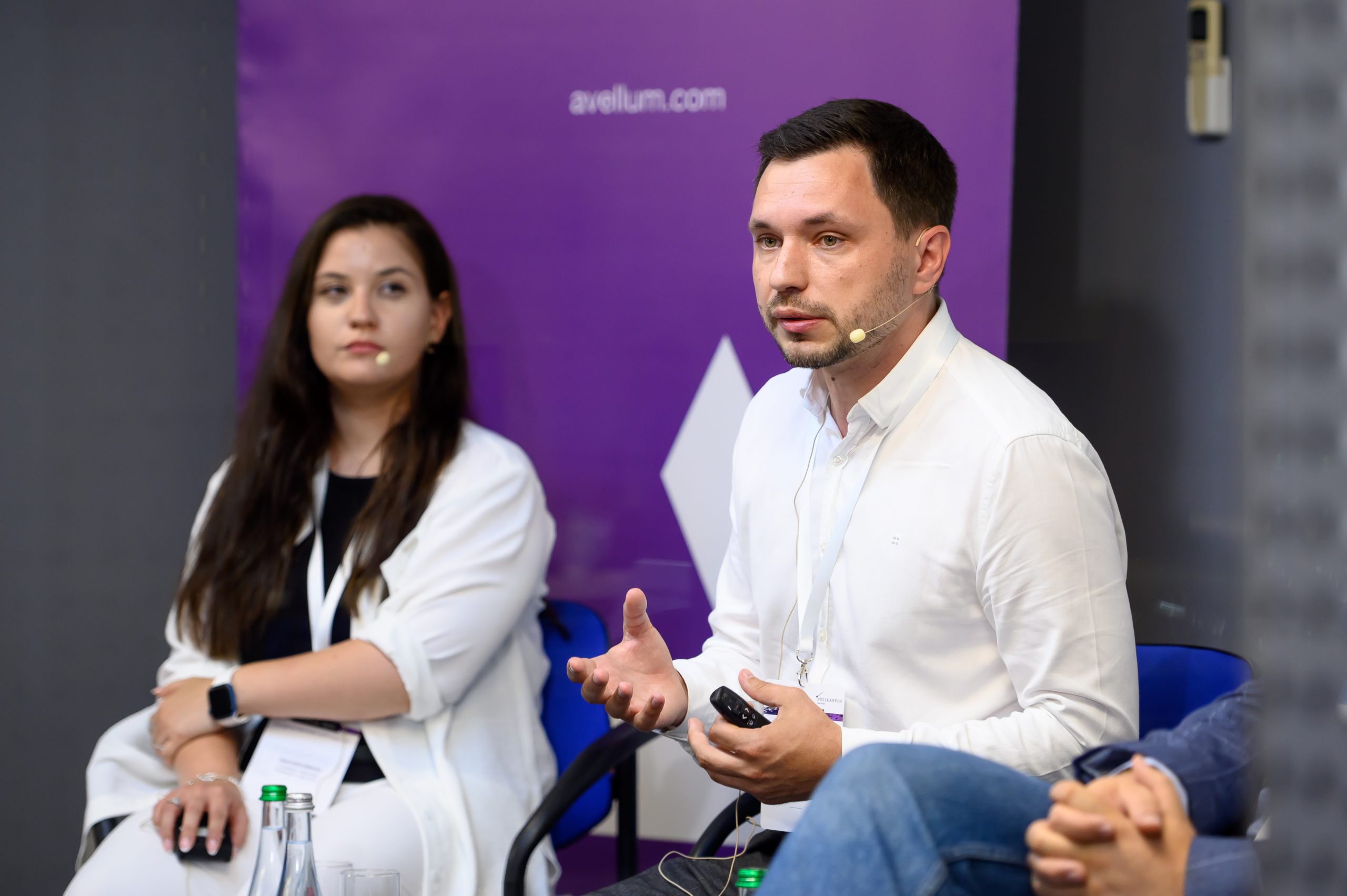
Anton Polikarpov’s Insight: “The biggest strategic mistake in a pharmaceutical patent dispute is allowing the court to pose questions to the expert in a legal rather than a technical plane. When a party asks: ‘Does the generic infringe the plaintiff’s patent?’, it pushes the expert beyond the competencies defined in Articles 98–104 of the Commercial Procedural Code of Ukraine. The expert must investigate exclusively the presence or absence of the use of each claim feature in the defendant’s product based on the registration dossier materials. If an expert assumes the role of a judge and concludes that a legal violation occurred, such a conclusion is legally void and must be excluded from the evidentiary base upon your first motion.”
Proper Formulation of Questions for the Forensic Expert
The progress of the entire study depends on the precision of the questions. Erroneous formulations allow the expert to evade a direct answer or apply an expanded interpretation of the independent claim of the drug invention.
For the defense side (generic manufacturer), a classic package of questions looks as follows:
- “Is each feature of the invention according to independent claim 1 of Ukrainian patent No. […] used in the medicinal product [Trade name of the generic] under registration certificate No. […]?”
- “Does the defendant’s medicinal product contain the active substance in the form of [specific salt or hydrate] explicitly stated in independent claim 1 of the patent, or a different form of the compound?”
- “Is the method of obtaining the active substance described in the defendant’s technological regulations identical in all technological stages to the method protected by independent claim 1 of Ukrainian patent No. […]?”
If the patent holder attempts to push equivalence, the defense must propose detailing questions to the court regarding whether such a replacement was known in pharmaceutical practice precisely on the priority date of the contested patent, whether it required additional inventive efforts, and whether it provides an identical function in the same way.
Evaluation of the Expert Report and Refutation of Flaws
Obtaining an unfavorable forensic expert report does not mean losing the case. Pursuant to Article 104 of the Commercial Procedural Code of Ukraine, an expert report does not have pre-established force for the court and is evaluated alongside other evidence. However, its refutation requires systematic procedural work:
Expert results are frequently used as the primary justification for taking prompt operational measures through which the parties attempt to alter the course of the confrontation.
Interlim Relief and Blocking Generic Market Entries
While a lengthy intellectual property forensic examination is ongoing, originators seek to block the generic at the registration stage using the institution of interim relief (securing the claim). Suspending state registration or banning the introduction of a product into civil circulation for even 6–12 months brings colossal commercial dividends to the originator, even if the lawsuit is ultimately dismissed in full. For a generic, such a judicial ban often means losses from the spoilage of limited-shelf-life batches, penalties from pharmacy chains, and the loss of first-mover advantage.
Article 137 of the Commercial Procedural Code of Ukraine explicitly establishes the criteria of proportionality and adequacy of security measures relative to the claimed demands. The Supreme Court has repeatedly emphasized that interim relief measures cannot be identical to satisfying the merits of the claims and must not disrupt the normal economic activity of an entity if the contested patent is under judicial doubt (e.g., a counterclaim for its invalidation is pending).
The originator files a lawsuit to prohibit patent infringement and simultaneously motions for interim relief: ban the State Expert Center of the Ministry of Health from conducting dossier examinations, ban the Ministry of Health from issuing a generic registration order, and seize imported batches. The court of first instance grants the motion in a single day without summoning the parties. Result: The generic is blocked for 1–2 years of litigation, the dossier is frozen, and the market is held by the monopolist without financial risks.
The generic’s lawyers file an appeal against the interim relief ruling, citing a violation of the balance of interests and a lack of evidence regarding the impossibility of enforcing a court judgment. Simultaneously, a motion for counter-security (Art. 141 of the CPC) is filed demanding that the plaintiff deposit funds into the court’s deposit account in the amount of the generic’s expected annual losses (e.g., UAH 10–20 million). Result: The originator refuses the interim relief due to financial risk, the appellate court lifts the block, and the generic completes registration.
Grounds for Suspending State Registration of Drugs
The demands of originators regarding the suspension of procedures within the Ministry of Health of Ukraine contradict the essence of regulatory procedures. State registration of a medicinal product is a confirmation of its efficacy, safety, and quality, rather than an act of intellectual property infringement. The powers of the Ministry of Health and the State Expert Center (SEC) are purely administrative-expert in nature and do not provide for the legal evaluation of patent disputes.
The Grand Chamber of the Supreme Court and the Commercial Cassation Court confirm a consistent legal position: courts have no right to apply security measures that block the exercise of statutory powers of state authorities regarding the examination and admission of drugs to the market if such drugs meet public safety criteria. Interfering with the Ministry of Health’s activities through interim rulings violates the public interest in citizen access to affordable generic medicines.
Countermeasures Against Unjustified Blocking of Generic Launches
In the event that the court of first instance makes an error and issues an unlawful blocking ruling, the generic company’s defense initiates an aggressive counter-protocol:
When the battle extends beyond the courtroom, physical control over imports and product circulation at the state border becomes critically important.
Border Enforcement of Intellectual Property Rights
Alongside domestic judicial bans, a strategic barrier for protecting pharmaceutical patents and combating unauthorized imports is the deployment of customs procedures. Timely border enforcement of intellectual property rights via the customs registry creates an automated filter that halts unauthorized movements of batches of pharmaceuticals or active pharmaceutical ingredients (APIs) prior to customs clearance.
Pursuant to Chapter 57 of the Customs Code of Ukraine, a patent or trademark owner has the right to enter their intellectual property object (IPO) into the Customs Registry of the State Customs Service of Ukraine. Once included, the risk management system (“Inspector”) automatically signals any customs declaration featuring the relevant UKT ZED code, substance description, or trade name if the importer or exporter is not listed among authorized users.
Submission: Submitting application and right-holder documents to the State Customs Service of Ukraine.
Requirement: Providing patent claims, analysis certificates, UKT ZED codes, and risk profiles.
Result: Inclusion in the IPO Customs Registry for 1–2 years with automated monitoring.
System Trigger: Automated detection of a cargo batch without right-holder authorization.
Customs Action: Suspending customs clearance for 10 working days with notification sent to the parties.
Result: Freezing cargo in the customs control zone for checks regarding infringement signs.
Cargo Inspection: Engaging the right-holder’s representative to take samples of drugs or APIs.
Research: Express laboratory analysis for compliance with the patent’s chemical formula.
Result: Obtaining a specialist report on the use of the patented compound.
Procedural Deadline: Filing an infringement lawsuit within 10 (+10) days.
Court Request: Imposing judicial seizure on the suspended batch as an interim relief measure.
Result: Blocking the release of goods into free circulation until the final resolution of the case on the merits.
Court Decision: Recognizing goods as counterfeit (or patent-infringing) and withdrawing them from circulation.
Result: Complete destruction of dangerous or counterfeit products under customs control at the violator’s expense.
Entering Medicinal Products into the Customs Registry
Entering invention patents into the customs registry is a significantly more complex procedure than registering trademarks. While providing visual logo samples and authentic packaging rules is sufficient for a brand, for a pharmaceutical invention, the right holder is obliged to provide customs authorities with detailed identification features of the goods by which a customs inspector (who is not a chemist) can suspect infringement. Checking the availability and status of rights is also possible via official state resources, notably intellectual property services on the Diia portal, which facilitates digital rights auditing for legal entities.
Detailed risk profiles are created for efficient operation:
Suspension of Customs Clearance and Judicial Confiscation
When customs detects a batch of drugs bearing signs of infringement, clearance is suspended for 10 working days. This period can be extended by the head of customs for another 10 working days upon a substantiated application by the right holder. During this 20-day “window of opportunity,” the right holder’s lawyers must either negotiate the voluntary destruction of the goods (simplified destruction procedure under Article 401 of the Customs Code of Ukraine) or apply to a commercial court with a lawsuit to protect the violated right and obtain a ruling seizing the goods.
If the lawsuit is not filed on time or the court refuses interim relief, customs is obliged to clear the goods immediately. This is why pharmaceutical companies formulate preventive legal document packages (drafted lawsuits) even before the actual cargo suspension, enabling them to file a lawsuit within 24–48 hours of receiving notification from the customs broker.
The comprehensive interaction between judicial instruments and customs control forms a unified, reliable security system for the pharmaceutical business, allowing market control even in an unstable regulatory environment.
Specifics of Pharmaceutical Patent Disputes Under Martial Law: Deadlines and Risks
The introduction of martial law on the territory of Ukraine has significantly impacted procedural deadlines and the regime for reviewing pharmaceutical disputes in commercial courts. According to amendments introduced to legislation and procedural codes, deadlines for appealing decisions and performing procedural actions are not automatically suspended. They can be reinstated by the court only upon the presentation of documented, valid reasons related to combat operations or the consequences of military aggression.
Foreign-resident pharmaceutical companies frequently make the mistake of assuming that martial law in Ukraine is a universal ground for suspending proceedings (Article 227, paragraph 1, item 5 of the Commercial Procedural Code of Ukraine). The Commercial Cassation Court has formed an unambiguous practice: the mere operation of martial law is not a force majeure circumstance that automatically releases a party from submitting evidence, statements of defense, or attending hearings. Suspending proceedings is permitted only if a party (as an individual) is serving in the Armed Forces of Ukraine or if there is a direct impossibility of court functioning in a temporarily occupied territory.
Legal Costs and the Price of Legal Support in Pharmaceutical Patent Disputes
A pharmaceutical patent dispute belongs to the highest-cost categories of litigation in Ukraine. The project budget is formed from three key blocks: court fees, forensic examination costs, and professional legal assistance fees (legal fees).
The cost of conducting a comprehensive chemical-pharmaceutical examination in state expert institutions (Kyiv Scientific Research Institute of Forensic Expertise, Kharkiv Scientific Research Institute of Forensic Expertise, etc.) or with certified private experts depends on the complexity of the posed questions and the number of substances studied. Currently, the cost of a single expert study under specialty 13.1.1 ranges from UAH 80,000 to UAH 250,000 per technical question involving the analysis of complex molecular bonds. If a party orders a review of an opponent’s report or engages specialized scientific laboratories to analyze crystal lattice diffractograms or nuclear magnetic resonance (NMR) spectroscopy, total evidence base costs can exceed UAH 500,000.
Regarding attorney support fees, the cost of handling a pharmaceutical patent dispute across all three court instances typically ranges from {{htmlContent}} $5,000 to $50,000+ depending on the presence of parallel counterclaims, interim relief rulings, and related administrative proceedings against the Ministry of Health. It is important to emphasize that pursuant to Articles 126 and 129 of the Commercial Procedural Code of Ukraine, the winning party has the full right to recover all documented legal costs from the opponent. Supreme Court case law demonstrates the courts’ readiness to reimburse attorney and expert fees in full, provided they are detailed, proportionate, and connected to the case.
Strategic Approach to Pharmaceutical Patent Protection
Judicial patent protection in the pharmaceutical industry in Ukraine has finally transformed from a formal document battle into a highly intellectual confrontation between science and procedural law. The Supreme Court’s modern stance emphasizes the priority of balancing innovation protection with guaranteed free competition: “evergreen” patents lacking a real inventive contribution no longer protect businesses from the entry of quality generics, and abusing interim relief rulings is punished by the recovery of colossal damages.
Victory in a patent conflict is achieved long before the first court hearing: it is laid down during in-depth patent audits (Freedom to Operate), the preventive inclusion of objects in the customs registry, and the development of refined claim decomposition positions. Regardless of whether you are defending the exclusivity of an original blockbuster or preparing an aggressive Day-1 launch of a generic line, effective representation requires flawless mastery of Supreme Court practice, expert methodology, and cross-border control mechanisms.
Polikarpov Law Firm possesses over 20 years of practical experience resolving the most complex patent and regulatory disputes in the pharmaceutical industry. We not only protect your assets across all court instances but also build reliable barriers at the customs border, ensuring the full market dominance of your product.