Why a Name is Not Just Creative, But a Legal Asset
You’ve found the perfect name, the designer is already preparing the first logo sketches, and a market conquest strategy is already built in your head. However, without a clear understanding of how to check if a brand name is available, you risk investing time and money in an asset that legally belongs to someone else. A conflict of interest can arise even when you are confident in the uniqueness of your idea.
This material is your step-by-step tool for pre-screening. We will walk the path from superficial web monitoring to deep registry analysis, allowing you to filter out 90% of hopeless options before even contacting lawyers. This approach will significantly save your resources when it comes time to conduct a full trademark search before registration, which is a mandatory stage for any serious business.
3 levels of your independent check:
- Digital footprint: Google, social networks, and domain names.
- Marketplace presence: Analysis of trading platforms and niche aggregators.
- Legal foundations: Working with open intellectual property databases and registries.
If your research shows that the name is clear, the next logical step will be official trademark registration to secure a brand monopoly for yourself. Let’s start with the most obvious, yet often underestimated tool — the global web.
The First Filter: Google and Social Media
Is simply “Googling” a name enough to ensure its uniqueness? The answer is both yes and no. A regular search is only the tip of the iceberg, but it is what allows you to instantly identify direct competitors through whom trademark registration in your niche could be blocked.
Overconfidence in one’s own creativity often becomes a trap for founders. Even if you don’t see a competitor’s ads, it doesn’t mean they don’t exist. A deep trademark search before registration always begins with an analysis of the real market, where social networks and search engines act as a mirror for active brands that may not have filed an application with the registries yet but already have priority rights through name usage. Additionally, it is important to understand the difference between a company name in the EDRPOU and a TM, as a company may be named “Romashka LLC” but operate under the brand you just came up with.
To go beyond the first page of results, we will use special tools that will make Google work more effectively for your business.
Using Search Operators for Deeper Analysis
A standard search query often hides the very “red flags” that could become a problem in the future behind relevant results and ads. When we are determining how to check if a brand name is available, it is critically important to find not only popular websites but also any mentions of activity under this name in your market segment.
A Professional Approach to Google Screening
To obtain accurate results, use search operators. This will allow you to filter out information noise and focus on specific matches. For example, if your name consists of two words, be sure to put it in quotation marks — this will force the system to search for the exact match rather than each word separately.
| Operator | Example Query | What You Will Find |
|---|---|---|
" " (quotes) |
"BrandName" |
Only exact mentions of the name in this specific spelling. |
- (minus) |
BrandName -wiki |
Excluding results from Wikipedia or other unnecessary resources. |
site: |
site:instagram.com "BrandName" |
Searching for brand mentions exclusively within a specific platform. |
related: |
related:competitor.com |
Searching for sites similar to your main competitors. |
Such a preliminary check of the mark for identity and similarity through search filters often reveals local players who do not engage in SEO promotion but are actively working in the market. Pay attention to the “News” and “Images” sections — sometimes a mention of a brand can appear in an exhibition report or a photo of a sign, which already constitutes a legal risk.
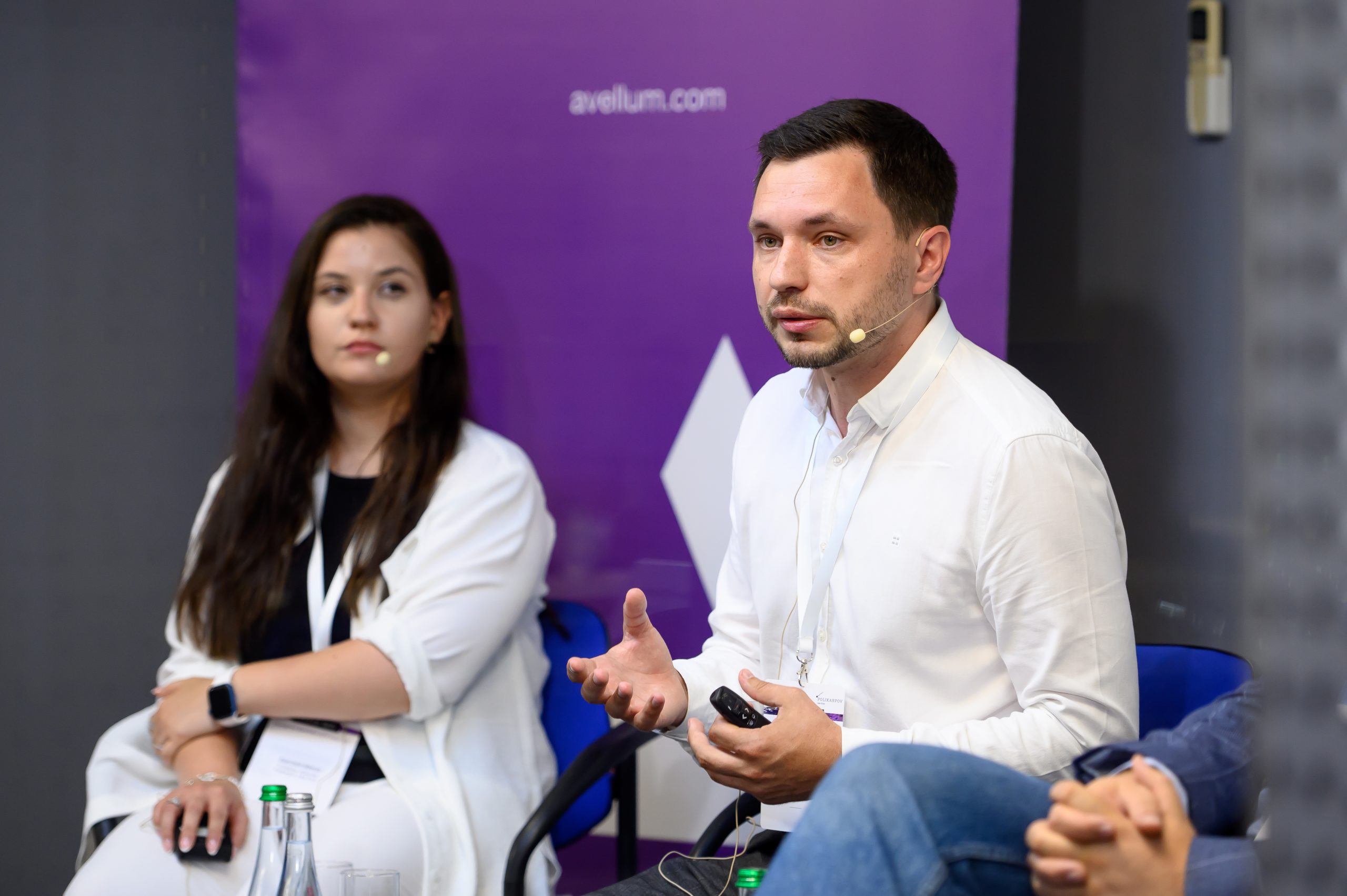
Expert Insight from Anton Polikarpov: Remember that the absence of an active website does not mean the name is available. A business could have registered a trademark but only uses it on marketplaces or offline. If you find even an inactive project with the same name in your field, it is a reason to consider rebranding or to order a deep legal search of the trademark database.
In the next step, we will explore the “territory” of social networks and trading platforms, where brand activity is most vibrant.
Monitoring Social Networks and Marketplaces
Social networks and marketplaces are a “gray zone” where businesses often start operating without any official papers but with real claims to the market. If you are looking for how to check if a brand name is free, ignoring these platforms could cost you a rebranding just six months after launch.
Searching Beyond Search Engines
Algorithms on Instagram, Facebook, or TikTok work differently than Google. They show results based on activity and popularity, often hiding local shops with identical naming. In addition to a direct name search, be sure to check hashtags (#BrandName) and the “Places” section to see if anyone is using this name for a physical point of sale.
For a product-based business, it is critical to visit major marketplaces:
- Rozetka and Prom.ua: check for the presence of sellers with such a name and products released under this brand.
- Amazon and Etsy: if you plan to scale to Western markets, the presence of identical naming on these platforms automatically creates a risk of your store being blocked following a rights holder’s complaint.
- ASOS or Zalando: for the fashion segment, these are the main databases where you can encounter competitors who haven’t yet reached the top of Google search results in Ukraine.
Expert Insight from Anton Polikarpov: Founders often panic when they see a taken nickname on Instagram. In reality, a taken username is not a legal death sentence, but an operational inconvenience. However, if behind this handle stands an active store in your niche (for example, selling cosmetics), then the registration of a trademark with an analogous name may be blocked due to the high probability of misleading the consumer. This is a serious “red flag” signaling that the name is no longer unique in the commercial field.
Such a preliminary check of a mark for identity and similarity in the social environment allows you to weed out options that already evoke associations with other market players. The next level of analysis requires moving from content to technical infrastructure—checking domains and their digital history.
Checking Domains and the Brand’s Digital Footprint
Can a domain name become a legal trap, even if your name seems completely new? Yes, because a domain often becomes the first point of open conflict between competitors, and its availability does not always guarantee the absence of claims from third parties.
When we analyze how to check if a brand name is free, working with domains is a logical extension of a comprehensive business protection strategy. In this section, we will explore how to choose a domain zone correctly and why a “clean” past of a web resource is important for your reputation. Understanding these nuances will help you prepare for professional trademark registration, which in the future will become the only legal tool for obtaining a domain in the .UA zone. Furthermore, it is important to distinguish between online identifiers and official company names, which we discuss in detail in the material about the differences between a company name in the EDRPOU and a trademark.
Let’s begin with a practical analysis of domain availability in various zones to understand which “territories” on the internet are still free for your expansion.
Analysis of Domain Name Availability in Different Zones
A domain zone is not just part of a URL, but a strategic asset that directly depends on your intellectual property rights. A successful trademark check before registration is always accompanied by domain name monitoring to avoid a situation where you own the brand while the key web address belongs to cybersquatters.
Checklist for Checking Domain Availability
- .UA Zone: Check if the domain is taken. Remember that its registration is only possible if you have an already registered TM. If it is free, it is an excellent sign.
- .COM / .NET Zones: These are the global standards. If they are taken, your entry into the international market will be complicated or require a domain buyout.
- Regional and Niche Zones: Check .com.ua, .kyiv.ua, or industry extensions like .shop or .tech.
- Activity Analysis: Visit the website at the chosen address. If you see the message “Domain is for sale,” this is better than an active business competitor.
It is important to distinguish between two states: “the domain is simply taken” and “a business is operating on the domain.” In the first case, you may be dealing with a reseller, and if you order a search in the trademark database in time and obtain a certificate, you will have leverage. In the second case, if analogous goods are sold on the site, using such a name will lead to a direct conflict. Additionally, checking a company name for uniqueness online often reveals entities operating without company registration but having priority in time due to a previously created website.
However, a free domain is only half the battle. Now it is necessary to look into its “biography” to ensure that no project capable of ruining your reputation was previously hidden behind this address.
Domain History and Potential Reputational Risks
A clean domain name history is the foundation of your digital reputation. Even if a domain appears available at a registrar, it might have had a “turbulent past.” Before you check if a brand name is available for good, be sure to look into the digital archives. If an online casino, a resource with questionable content, or a site penalized by search engines was previously located at this address, you risk acquiring a “penalized” domain that will be extremely difficult to promote on Google.
The primary tool for such an audit is the Web Archive (Wayback Machine). It allows you to see snapshots of the site from different years. What to look for during analysis:
- Thematic consistency: Whether the name was used in niches that could discredit your new project.
- Frequency of updates: Long pauses in activity or sharp changes in theme (e.g., from a blog about flowers to a cryptocurrency forum) often indicate that the domain was resold for SEO manipulation.
- Presence of legal claims: Sometimes archives contain mentions of legal disputes or demands from copyright holders to cease infringement.
A thorough trademark search before registration includes not only legal aspects but also this kind of reputational hygiene. If the domain history raises doubts, it is better to change the name at the planning stage than to later spend thousands of dollars trying to clean up the reputation of a brand that hasn’t even started generating profit yet. This approach ensures a smooth transition to the next level of verification—the legal analysis of official state registers.
Working with Public Intellectual Property Registers
Is the absence of matches in search engines enough to confidently launch a business? Unfortunately, no. Real protection begins where the influence of Google algorithms ends and the zone of state law begins. Only a professional, full trademark search in official databases before registration can provide you with legal security guarantees.
At this stage, you move beyond simple curiosity and begin to build an evidentiary base for your brand. Legal registers contain information not only about already issued certificates but also about applications currently under examination. This is critically important, as someone could have filed an identical name for registration just a day before your search. It is also vital to understand the difference between a company name in the USREOU (Unified State Register of Enterprises and Organizations of Ukraine) and a trademark, as registering a legal entity does not automatically give you the right to use that name as a brand for goods or services.
Below, we will break down how to master the tools for basic monitoring yourself so that your preliminary search for mark identity and similarity is as effective as possible. Remember that timely trademark registration is the only way to gain a monopoly on a name and protect yourself from patent trolls or unfair competitors. Now, let’s move on to the practical algorithm for working with the Special Information System of the UANIPIO.
Independent Search in the Ukrpatent (SIS) Database
The Special Information System (SIS) of the State Organization “Ukrainian National Office for Intellectual Property and Innovations” (UANIPIO) is the primary source of truth for every founder. Before you check if a brand name is available, you must understand that the search is not performed simply “by word,” but in the context of specific classes of the International Classification of Goods and Services (Nice Classification). If the name “Zorya” is taken for brick manufacturing, this does not prevent you from registering the same name for IT services, provided there are no other conflicts.
Instructions for Conducting an Independent Search in the SIS
- Accessing the database: Go to the official SIS web resource. Select the section for searching trademarks (marks for goods and services).
- Filling in the fields: Enter your word in the “Name” field. I recommend using search operators to find not only exact matches but also words that contain your name as a part.
- Selecting Nice classes: Be sure to specify the class numbers corresponding to your activity. If you are unsure, it is better to search across all classes, although this will significantly increase the volume of results.
- Analyzing statuses: Pay attention to the current status of each found case.
During the analysis of the results, you will encounter various statuses that determine the level of threat to your future registration:
| Application/Certificate Status | What it means for you |
|---|---|
| Registered | Highest risk. The trademark already has an owner and legal protection. |
| Application filed | The name is at the examination stage. The owner already has priority. |
| Expired | The certificate was not renewed. You need to check if the 6-month “grace period” for renewal has passed. |
| Refusal of registration | An interesting case: you can see exactly why the predecessor was refused and take those mistakes into account. |
It is important to understand that the ability to check a trademark online independently is only the first step. The SIS database does not always reflect international applications extending to the territory of Ukraine through the Madrid System with sufficient speed. Therefore, if you decide to order a trademark database search from professionals, you gain a level of certainty that no free tool can provide. However, even if no direct matches are found, the most treacherous stage lies ahead—analyzing the similarity of names that are spelled differently but are perceived by the consumer as the same.
Risk Analysis When Selecting Visually Similar Names
The absence of identical entries in the register does not guarantee successful registration. The most treacherous barrier is “likelihood of confusion,” where names are not identical but are too similar in perception. During a trademark search before registration, UANIPIO experts analyze three key criteria:
- Phonetic: how similar the words sound (for example, replacing “S” with “Z” or using “Y” instead of “I”).
- Visual: similarity in graphic design, overall word length, letter placement, and the use of similar fonts.
- Semantic: similarity in meanings, ideas, or translations (for example, registering the word “Lion” could be problematic if the TM “Leo” exists in the same class).
If the chosen option triggers strong associations with an existing brand in your niche, you risk receiving a refusal. This is why it is important not only to check a trademark online for direct matches but also to critically evaluate its “distance” from competitors.
Case Study: The Phonetic Trap
The names “Zorya” and “Zoria” are spelled differently, but they are virtually identical in pronunciation. From a legal perspective, this is a classic case of phonetic similarity. If one of these marks is already registered for similar goods, the registration of the second one will likely be blocked. Even different transliterations won’t help if the overall impression of the mark remains unchanged. Experts assess not the spelling accuracy, but the likelihood that an average consumer will confuse the brands in a checkout line or during an internet search.
A deep understanding of these nuances will help you filter out legally weak options even before you decide to order a trademark database search. Once this pre-screening stage is complete, you can move on to the final audit of the results and preparation for active steps.
Next Steps After Initial Screening
Self-screening is a critical filter that saves your time and budget during the early stages of business development. If the chosen name successfully passes through search engines, social media, and the UANIPIO open databases, you have the “green light” to proceed to in-depth legal analysis. Understanding how to check if a brand name is available on your own allows you to enter the scaling process with an informed choice rather than a random idea.
However, remember that this guide serves only as a tool for initial screening. To obtain 100% guarantees of legal clearance and protection against third-party claims, a professional preliminary trademark search for identity and similarity is required. This is an investment that will protect your marketing and reputation from sudden lawsuits in the future.
To avoid a common beginner’s mistake of thinking that business registration with the state registrar is sufficient name protection, I recommend learning how checking a company name for uniqueness in the USREOU differs from intellectual property protection procedures.
Frequently Asked Questions
Can you use a name that is already registered as a trademark but for a completely different type of activity?
Yes, this is usually possible due to the principle of trademark specialization. All goods and services are divided into 45 classes of the Nice Classification (NCL). If your name is identical to an existing one, but you are involved in software development (Class 9) while the competitor produces fertilizers (Class 1), such marks can coexist.
However, there are important exceptions:
- Well-known trademarks: Brands such as Google, Coca-Cola, or Apple enjoy protection across all NCL classes, regardless of the field of activity.
- Likelihood of consumer confusion: If the fields of activity overlap even slightly (for example, a cafe and ready-to-eat food delivery), registration may be refused due to the risk of misleading the consumer.
What are the specifics of registering a domain name in the .UA zone and how is it related to a trademark?
The .UA zone is unique because domain registration is only possible if you already have a registered trademark. Unlike .com.ua or .net zones, where the “first come, first served” principle applies, for .UA, you must provide a trademark registration certificate number.
It is important to consider two points:
- The domain name must exactly match the name of your trademark (if the TM is “Zirka”, the domain must be zirka.ua).
- The process of obtaining the domain begins only after the TM registration is complete, which can take over a year. Therefore, to start a business quickly, companies usually first register domains in other zones (.com, .io, .com.ua) while simultaneously applying for a TM for the future .UA domain.
Does registering a company name (LLC or Sole Proprietorship) in the USRE protect me from trademark owners’ claims?
This is one of the most common misconceptions among entrepreneurs. Registering a legal entity’s name in the Unified State Register (USRE) and registering a trademark are two different legal procedures governed by different laws.
The owner of a registered trademark has the right to prohibit you from using a similar name in commercial activities, even if it is officially recorded in your articles of association or your sole proprietorship certificate. If your brand matches someone else’s TM in the same niche, you may be forced to rebrand and change the company name through court action.
What should I do if an identical name is already registered in another country, but I plan to work only in Ukraine?
Trademarks have a territorial nature of protection. If a brand is registered only in the USA and does not have an international registration that extends to the territory of Ukraine, you are free to register the same name in Ukraine.
However, you should weigh the risks:
- International expansion: If you later want to enter the market of the country where the name is already taken, you will have to operate there under a different brand.
- International applications (Madrid System): The owner of a foreign TM can apply to extend protection to Ukraine. If they do this before you, you will lose the right to the name.
- Good faith: If a foreign brand is very famous, its owners may challenge your registration by proving that you acted in bad faith by copying someone else’s success.
How long does the trademark registration process take and can the name be used before obtaining the certificate?
Under the standard procedure, TM registration in Ukraine currently takes an average of 18 to 24 months. There is an accelerated registration procedure that allows for obtaining a certificate faster, though it is more expensive.
You can start using the name (on your website, in advertising, on signage) immediately after filing the application without waiting for the final decision. However, this carries certain risks: if the UANIPIO (formerly Ukrpatent) examination later identifies similar names and refuses registration, your marketing investments may be lost. The optimal strategy is to begin active promotion after receiving the results of a preliminary professional search that confirms high chances of success.
What is "trademark priority" and why is the filing date critical?
Priority is the right of precedence in registering a name. It is established by the date the application is filed with the IP office. This means that if someone else files an application for the same name even one day later than you, their application will be refused.
This is why lawyers recommend not delaying the submission of documents after conducting a screening. Even if you haven’t developed the final logo design yet, you can file a word mark application to “stake a claim” on the name itself. This will protect you from competitors who might find out about your plans and try to hijack the brand.