IT Capital and Intellectual Capital: Why a Startup Needs a TM in Lviv
The Lviv IT ecosystem dictates high standards, where timely trademark registration in Lviv becomes the foundation for a startup’s successful expansion and exit. We will explore how to turn a product name into a protected asset that opens doors to venture investment.
TM for an IT Product: More Than Just a Logo
In today’s IT sector, where competition for users has reached a global level, professional trademark registration in Lviv is the first step toward turning software code into a capitalized asset. This is not just an aesthetic decision for an app icon, but a primary legal tool that allows for the rapid blocking of clone products in the App Store and Google Play through DMCA procedures and internal marketplace IP protection mechanisms.
Our team’s expert experience confirms: venture investors view the absence of a certificate as a critical risk during Due Diligence. Our lead lawyer emphasizes that without properly formalized brand rights, a startup effectively does not own its identity, making it vulnerable to “patent trolling” and hindering scaling to Western markets. Timely registration secures legal priority for the founder, transforming the software name from a marketing element into a full-fledged intangible asset ready for valuation and collateral.
Name Protection in the App Store and Google Play
For mobile developers, Apple and Google marketplaces operate on the principle of the presumption of rightness for the owner of a legally recorded asset. Without official proof of rights (Certificate of Registration), complaints against clone apps often turn into exhausting correspondence with support that leads nowhere. That is why timely trademark registration is a critical stage before release, especially when a product moves from a local hub onto the global stage.
Tech giants prioritize registered mark owners through automated protection tools. For example, Apple Brand Registry allows for the initiation of the Notice and Takedown procedure in just a few clicks if the developer provides a registration number. For startups, this option under the national procedure often becomes the “base” for further protection expansion through the WIPO system, allowing for the blocking of product copies in any country where the marketplace operates.
| Store Infringement Scenario | Protection Without TM | Protection With TM |
|---|---|---|
| Identical name of another app | Difficult to prove name priority | Rapid removal via IP complaint form |
| Use of logo in the icon | Requires proof of authorship for graphics | Instant reaction from platform moderators |
| Keyword Stuffing (name in tags) | Almost impossible to dispute | High probability of blocking spam content |
Expert Advice: Platforms often ignore complaints if registration is in “Pending” status (application filed, but no decision yet). For Apple and Google, the “magic wand” is the final certificate itself. Possessing the document turns a dispute from an administrative one into a legally grounded demand to cease the infringement.
One of our clients in the EdTech niche discovered several identical copies of their interface in the App Store under different names, parasitizing their search traffic. Thanks to the certificate, a demand submitted via an App Store Intellectual Property Complaint allowed for the removal of clones from search results within 7-10 business days. This is a key element of a brand capitalization strategy that turns an app name into a liquid asset.
Note: this material is for informational purposes and does not constitute individual legal advice. The outcome of complaints depends on the internal regulations of the specific marketplace and the degree of similarity between the marks.
This aspect is covered in more detail in a separate article: The Solution: Brand Protection for Export and IT.
TM as a Condition for Venture Capital Investment
Besides the technical protection of the name in the App Store and Google Play, having a certificate becomes a decisive factor during negotiations with funds. When a startup enters Series A or B rounds, investors conduct rigorous Intellectual Property Due Diligence. For venture capital, your brand is not just an image, but a part of Goodwill, which can account for up to 40–60% of the company’s value at exit.
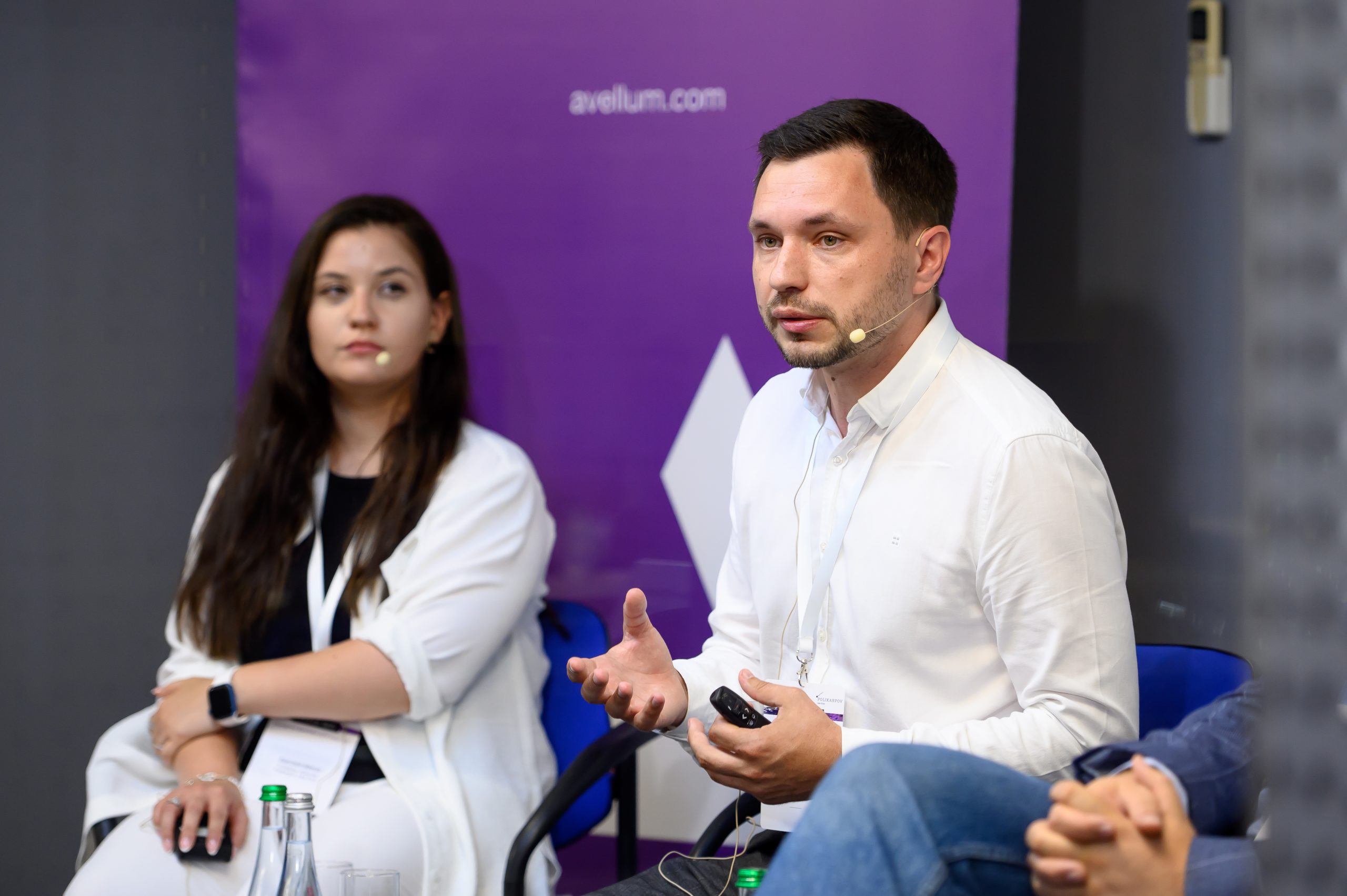
Expert opinion: Anton Polikarpov on investment risks
Over my years of practice, I have seen dozens of projects with excellent code that were denied investment only because their name was descriptive or already belonged to someone else in the US or EU. An investor does not buy a “problem”; they buy a clean asset. The lack of timely trademark registration in Lviv or abroad is perceived as a sign of management immaturity.
Brands based in the western region often have global market ambitions, so it is important to prepare an IP portfolio in advance. To successfully pass the audit before raising capital, a startup must have a prepared package of documents. International protection under the Madrid System often becomes the next logical step after local filing, as venture funds expect protection in key target markets.
- Trademark registration certificate (or a filed application with a positive search report).
- Assignment Agreements from all developers and designers.
- Documentary evidence of the absence of claims from third parties in your niche.
- A clear brand scaling strategy for target jurisdictions.
Proper formalization of rights allows for the capitalization of the product name, turning it into an asset that can be put on the balance sheet or used as collateral. Once the financial foundation is laid, it is necessary to define the technical boundaries of your protection, specifically—the Nice classes for developers: where your software “lives”.
Nice Classes for Developers: Where Your Software “Lives”
Effective software protection begins with the accurate selection of categories according to the international classifier. We will look into which Nice classes a modern IT product “lives” in and how to avoid critical errors when registering cloud services.
Why Class 42 is a Must-Have for SaaS

Software classification has undergone significant changes over the last ten years due to the industry’s shift to cloud solutions. A typical mistake of Lviv IT teams is to register a name only in Class 9, which traditionally covers “goods” such as recorded programs on media or downloadable mobile apps. However, if your product is provided under the SaaS model, the primary scope of protection must be provided by Nice Class 42.
Specifically, Class 42 includes services for providing temporary use of non-downloadable software. For web platforms, CRM systems, and analytical services operating in a browser, this is critically important. Without registration in this class, you risk having a “hole” in your protection: a competitor could launch a similar service under your name, claiming they provide services (Class 42) rather than selling copies of programs (Class 9).
A proper strategy required for professional trademark registration in Lviv for the IT sector involves a combined approach. We recommend covering Class 9 for the interface and applications, Class 42 for hosting and software development, and often Class 35 for marketing and marketplace management. This differentiation builds a solid foundation for the next stage—obtaining the prestigious .ua domain, the path to which we will examine in the step-by-step guide for Lviv.
The path to a .ua domain: a step-by-step guide for Lviv
Obtaining the prestigious .ua top-level domain is not just a matter of marketing, but a strict legal requirement of the .UA Domain Regulations. Since the delegation of a name in this zone is possible only for owners of relevant certificates, professional trademark registration becomes the primary task for entering the market. A Lviv startup’s journey to its own premium domain consists of five logical stages.
First, a search for identity is conducted and an application is submitted to UANIPIO, followed by the stage of state examination (formal and substantive). In the event of a positive decision, the applicant pays the fees for publication and certificate issuance, leading to the official entry of rights into the state register. The obtained certificate becomes the legal foundation upon which the domain registrar performs the final delegation of the startup’s name. This comprehensive approach allows founders not only to protect their product but also to obtain an exclusive web address, avoiding the risks of cybersquatting. Understanding these stages is critical, as any error in the name during the application process can make obtaining the desired domain technically impossible.
Criteria for matching TM and domain names
To obtain a premium .ua domain, the text part of your certificate must 100% match the domain name. The domain zone registrar strictly checks this match: the domain must be identical to the TM or its official transliteration. If you are planning to register a trademark for your software, keep in mind that any discrepancy of even one letter at the application stage will make it impossible to obtain the same website address.
Here are critical criteria to consider when choosing a name for “domain ergonomics”:
- The official transliteration trap: You cannot arbitrarily change the spelling of a Cyrillic name in Latin characters. If the name contains the letters “я” (ya), “ю” (yu), “щ” (shch), or “г/ґ” (h/g), the domain may become cumbersome (for example, “щ” turns into “shch”). We advise Lviv developers who are export-oriented to submit the name in Latin characters immediately — this eliminates the issue of transliteration chaos.
- The hyphen rule: Spaces in a brand name are usually replaced by hyphens in a domain. However, adding a hyphen where it does not exist in the trademark is grounds for refusal of .ua delegation.
- Conciseness as protection: The shorter the name, the lower the risk of typing errors and the lower the likelihood that the registrar will find a discrepancy with the CMU transliteration rules.
Risk analysis for regional business shows: using geographical terms in brand names (for example, combining a city name with IT terms) often leads to the name being recognized as descriptive. This will not prevent getting the domain, but it will significantly weaken the legal protection of the mark itself. One of our clients was forced to change their naming at the filing stage because the chosen Cyrillic name looked unreadable to foreign users after transliteration, making the future domain a marketing failure.
Once the ideal match between the name and the future domain is found, it is important to avoid mistakes in the brand rights registration procedure in Lviv itself, as any request from an expert can delay obtaining the desired address by months.
Accelerated registration: when time is more valuable than money
Time for an IT startup is the most expensive resource, especially when it comes to closing an investment round or entering new markets. The standard procedure at UANIPIO currently takes about two years, which looks like an eternity for a dynamic software business. Many founders seek a “fast-track” path to obtain brand rights in a matter of months.
It is important to understand the actual state of affairs: official accelerated registration (within 7–8 months), which was previously available through the payment of increased state fees, is currently suspended for the period of martial law. Any promises of “guaranteed registration in 3 months” are marketing manipulation. However, speed remains a priority. We recommend that startups file documents as early as possible, as the priority date is fixed at the moment the application is received by the office. This already gives you a legal advantage over competitors who may try to enter EU markets with a similar name later.
Anton Polikarpov: “In the IT industry, you shouldn’t skimp on application preparation. A high-quality preliminary search and flawlessly executed documents are the only legal way to speed up the process today. Every request from a UANIPIO expert due to errors in class descriptions sets your registration back by 2–3 months.”
Maximum focus on asset purity and the right protection strategy allows you to avoid the pitfalls that we will examine in detail in the context of typical startup mistakes.
Risks and Fails: What a Startup Should Avoid
The path to a successful brand is often blocked by non-obvious legal traps. We will analyze critical mistakes when choosing a name, specifically looking into why popular descriptive terms lead to registration refusals and how to avoid this.
Descriptive Names: Why CloudSoft Won’t Be Registered
According to Article 6 of the Law of Ukraine “On Protection of Rights to Marks for Goods and Services,” legal protection is not granted to designations consisting solely of data that are descriptive of the goods or services. This means you cannot privatize words that your competitors also have the right to use to describe their product. If your trademark registration in the Lviv region relates to software development, names like “FastCode” or “SecureStorage” will likely be rejected due to a lack of distinctiveness.
Let’s consider a hypothetical scenario to better understand the risks:
Scenario: Startup X and the Search for Identity
Option A (without preliminary analysis): The team launches a product named “CloudDataSafe.” After a year of marketing expenses, they apply for a TM. The NIPA (UkrNOIVI) examination issues a refusal because the name directly indicates cloud data storage and security—these are generic terms. The startup is forced to rebrand and loses its domain history.
Option B (with a professional approach): The team consults lawyers during the naming stage. We conduct an analysis and advise adding a unique fanciful element or completely changing the name to one that has no direct connection to the functionality. The result is successful certificate acquisition and exclusive rights to the brand.
To avoid becoming a “hostage” to descriptiveness, it is worth transforming generic terms into something unique. Instead of a dry description of functions, use metaphors, invented words (neologisms), or combinations that create a new meaning. For example, instead of “SoftCloud,” you could choose a short name associated with lightness but which is not a dictionary term for cloud technologies.
This strategy is especially important for protection in the App Store, where a unique name helps not only legally but also with SEO promotion. A properly chosen name is the first step toward building a comprehensive security system where your code, design, and brand work as a single asset.
Comprehensive Protection: TM, Software, and Copyright
The success of an IT product is based on the synergy of a unique name and protected code. We will examine the legal mechanisms that allow for combining copyright with official brand recognition to ensure your business’s security.
Transfer of rights from developers to the company
In the IT sector, the gap between the marketing shell and the internal code often becomes critical. While founders focus on how this registration technique helps enter new markets, the software’s legal purity is left for “later.” The main risk is the presumption of authorship of a natural person. According to the updated version of the Law of Ukraine “On Copyright and Related Rights” (Art. 14), economic rights to a work created to order belong to the customer and the creator jointly, unless otherwise established by contract. This means that without a direct record of the transfer of rights, the developer legally remains a co-owner of the code.
A typical mistake is the absence of a clause in the contract with a PE (FOP) developer regarding the transfer of rights at the time of the object’s creation or the signing of the acceptance act. For example, one of our clients faced a situation where a former team lead blocked the sale of a startup during an audit, claiming they had only provided “temporary access to the code” rather than assigning economic rights to the architecture. To avoid such conflicts, it is important to clearly distinguish between collaboration formats:
| Type of relationship | Moment of rights transfer | Critical document |
|---|---|---|
| Employment contract | From the moment of creation (unless otherwise provided by contract) | Job description + Internal order |
| Contract with a PE (FOP) | Determined by the contract (recommended — from the moment of creation) | IP Transfer Agreement + detailed acts |
| GIG contract | From the moment of creation (automatically for Diia.City residents) | GIG contract |
Since this task is often the first step toward brand protection in foreign markets, we recommend synchronizing this process with an audit of development contracts. This ensures that an investor or buyer receives not just a recognizable logo, but a complete software product with a transparent ownership history, cleared of claims from “silent” authors.
Disclaimer: This material is for informational purposes and does not constitute individual legal advice. Rights registration, risks, and scope of protection depend on the content of specific contracts and current court practice.
This aspect is covered in more detail in a separate article Madrid System: This Option for Entering EU Markets.
Your code is your property, your brand is your asset
For IT startups in Lviv, intellectual property is not just a legal formality but the foundation of market capitalization. When software code is protected by copyright and the commercial name is registered by the state, the project turns into a liquid asset. Timely registration of this kind allows Lviv developers not only to safely scale to Western markets but also to obtain the exclusive right to a .ua domain — a key trust marker for foreign users and investors.
| IP Component | Strategic benefit for the startup |
|---|---|
| Registered TM | Blocking copycat competitors and ensuring legal purity of the name for App Store/Google Play. |
| Right to a .ua domain | Improving SEO performance in Ukraine and protection against cybersquatting. |
| IP Audit (Due Diligence) | Readiness for investment rounds without the risk of a discount due to “holes” in the transfer of rights to code. |
Practical example: One of our clients, a Lviv-based SaaS platform, was preparing for a Seed round with a British fund. During the check, it was discovered that the product name partially coincided with a mark already registered in Poland. Thanks to the results of a preliminary search, we were able to adjust the positioning in time and file a TM application in the necessary Nice classes (specifically 9 and 42), which resolved the investor’s concerns regarding legal risks and allowed the deal to close.
Legal hygiene of a brand is an investment in a future Exit. Read more about the specifics of identity protection for creative niches in our article on food projects and naming in Lviv. We recommend contacting Polikarpov Legal for a detailed similarity search to avoid conflicts at the very start of development.
Disclaimer: This material is for informational purposes and is not personal advice. The registration process (which, according to current UANIPIO practice, lasts from 18 to 24 months), the probability of refusal, and the scope of legal protection depend on the uniqueness of the designation, the selected Nice classes, and the existence of third-party rights.
If you need help with this task, use the Registration: Chosen Solution service.
Frequently Asked Questions
Does Ukrainian TM registration protect my IT product in foreign markets?
No, trademark registration is territorial in nature. A certificate obtained in Ukraine provides legal protection only within the territory of our state. If your startup plans to enter the EU, US, or Asian markets, you must take care of international registration.
The most effective way is to use the Madrid System. It allows you to file a single international application through the Ukrainian IP office (UANIPIO), specifying the list of countries that interest you. This is significantly cheaper and simpler than filing separate applications in each country through local attorneys. However, remember: the basis for such an application must be an already filed national application or a certificate obtained in Ukraine.
What is better to register first: the company name (word) or a graphic logo?
For IT startups, we usually recommend priority registration of a word trademark. The name is the primary identifier of the product that users type into the App Store search or a browser. A word TM provides the broadest scope of protection: it prohibits competitors from using your name in any graphic design, font, or color.
Registering a logo (image) is advisable when your brand mark is recognizable independently of the name. If the budget is limited, it is better to start with the name, as graphic rebranding in IT happens frequently, while the name usually remains unchanged throughout the product’s entire lifecycle.
What is trademark monitoring and why is it necessary after registration?
Obtaining a certificate is only half the battle. The state authority will not automatically block attempts by others to register similar names. This is the responsibility of the TM owner. Monitoring is the regular checking of new applications submitted to patent offices for similarity to your brand.
In the IT sector, this is critically important because competitors may try to register a similar name for similar software to “parasitize” on your traffic. If you detect such an application in time, you can file an opposition and stop the registration of someone else’s mark before it becomes an active tool against you.
Can a trademark be changed after filing an application or registration?
Legislation does not allow for significant changes to the designation itself after an application has been filed. You cannot change a word, add a new graphic element, or change the color scheme within the scope of the current registration. Any significant change in design or naming requires filing a new application.
That is why we advise startups to finalize their brand book before starting legal procedures. However, you can change the owner’s contact details or transfer the rights to the TM to another legal entity (for example, from a founder-sole proprietor to a newly created company in the USA or Europe) — these are standard procedures that do not affect the image of the mark itself.
What should I do if a .ua domain is already occupied by a cybersquatter, despite my TM registration?
If you have registered a TM that completely matches a second-level domain in the .ua zone, and this domain is already being used by someone else, you have the right to protection. Ukraine has the UA-DRP procedure (an analogue of the international UDRP) — this is an out-of-court way to resolve domain disputes through the WIPO Arbitration and Mediation Center.
To win the case, you need to prove three facts:
- the domain name is identical or confusingly similar to your TM;
- the current domain owner has no legitimate rights or interests in this name;
- the domain was registered or is being used in bad faith (for example, to resell it to you at an inflated price).
This is much faster than a classic court case and allows you to transfer the domain name to your control.
What is the validity period of TM protection and what happens if it is not renewed?
A trademark certificate in Ukraine is valid for 10 years from the date of filing the application. This term can be extended an unlimited number of times, each time for the next 10 years, by paying the corresponding state fee.
If you miss the renewal deadline, you have a “grace period” of 6 months after the expiration date, during which rights can be restored (but for an increased fee). If the TM is not renewed at all, it becomes free for registration by others, and you lose the exclusive right to the .ua domain and the ability to block copies of your product in marketplaces for intellectual property infringement.