Why Search is the Foundation of Your Brand Protection
Many entrepreneurs perceive filing documents as a lottery, hoping for luck or the exceptional creativity of their naming. In reality, successful trademark registration is a fully manageable business process where the result is 90% predictable even before the first state fee is paid. Without deep preliminary analysis, the risks of receiving a refusal increase exponentially, as registries are replenished daily with hundreds of new marks that could stand in the way of your ambitions.
For those striving to build a sustainable business, a full trademark search before registration becomes the very foundation upon which the brand’s legal security rests. High-quality analytics allow you to turn the process of obtaining a protection document from a game of “guesswork” into a clear strategic maneuver that saves the owner time and capital. Ignoring this stage is a direct path to the refusal statistics that we will analyze in detail in the next section.
The Cost of Ignoring: NIPO Refusal Statistics
Why do some companies receive a certificate without a single remark from experts, while others litigate for years for the right to use their own name? Most problems arise from basic laziness or cutting corners during the preparation stage, when it seems sufficient to simply check a trademark online in free registries. However, the National Intellectual Property Office (NIPO) operates with much deeper evaluation criteria than a superficial match of letters.
In my practice, cases where professional trademark registration ended in a fiasco always had a common root: ignoring the legal audit at the start. In the following subsections, we will find out which specific systemic errors force the regulator to say “No,” and calculate the real financial losses awaiting a business if a preliminary check is ignored. Understanding these mechanisms will help you not just file an application, but obtain a real tool for market protection.
Why the IP Office Most Often Says "No"
When NIPO experts review your application, they are guided not by the brand’s marketing appeal, but by strict legal norms. Often, entrepreneurs are surprised by a refusal, arguing that “there is no such name on Google.” However, the state expert conducts a preliminary check of the mark for identity and similarity not through search engine results, but through closed and international databases, which include even applications filed yesterday.
Based on my experience and official NIPO practice, there are three main reasons why your brand registration might be halted:
- Likelihood of confusion: This is the most common reason. If your name phonetically, visually, or semantically resembles an existing trademark in the same Nice classes, the consumer may be misled. Even changing one letter often does not save you from a refusal.
- Lack of distinctiveness: Protection is not granted to words that are commonly used or simply describe the product. For example, an attempt to reserve the name “Tasty Coffee” for a coffee shop is doomed to fail, as it is merely a product description, not a unique identifier.
- Conflict with earlier applications: Whoever files the documents first has priority. Even if another company hasn’t received a certificate yet, its earlier application will block your possibility for intellectual property rights.
That is why the question of how to check if a brand name is available should be resolved through a professional search across all available registries. Without such an analysis, you risk not only receiving a refusal but also facing serious financial and time losses, which we will discuss next.
Financial and Time Losses for Business
When an entrepreneur receives a refusal to protect their brand, they lose more than just a stamped piece of paper; they lose an irreplaceable resource. The main illusion is that a negative decision from the NIPO is merely a reason to file a new application. In reality, it is a financial disaster for a business that has already launched its marketing engine. It should be remembered that the state fee paid for filing documents is non-refundable, regardless of the examination results. If a trademark check before registration was not conducted properly, you are simply gifting these funds to the state.
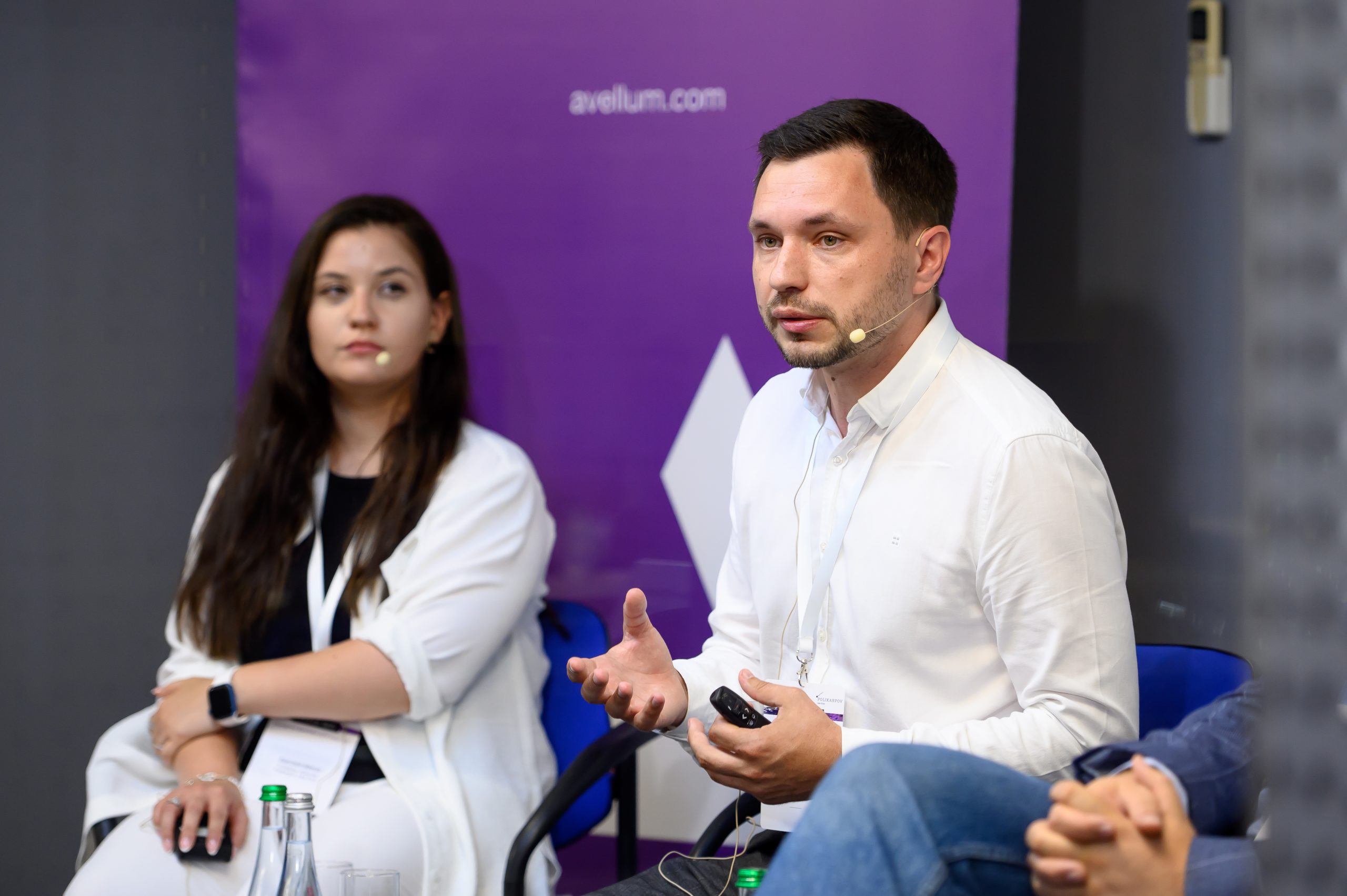
Expert Insight from Anton Polikarpov:
The cost of rebranding in the event of a registration refusal is usually 10–20 times higher than the cost of a professional search. Once you have already invested in logo development, packaging production, outdoor advertising, and SEO promotion of the website, changing the name means “resetting” all these investments. Additionally, you risk a lawsuit from the owner of an identical mark for trademark infringement, which entails the recovery of damages or the payment of royalties for the entire period of “illegal” brand use.
Time losses are equally critical. The standard examination process lasts from 18 to 24 months. Receiving a refusal at the end of this term leaves the business in a situation where two years of brand development were spent building an asset that does not belong to it. During this time, competitors who took care to check if a brand name is available in advance are already obtaining certificates and monopolizing the market. To avoid such a scenario, it is necessary to realize that the legal purity of a name begins not with filing an application, but with a deep analysis of conflict zones, including checking the company name for uniqueness in the registers of legal entities, although the latter often creates a dangerous illusion of security.
It is precisely this illusion—the confusion between the company name in the register and the trademark—that becomes the next trap for many business owners.
Legal Trap: Company Name vs. TM
Does the successful creation of an LLC with the state registrar guarantee the security of your brand in the market? The short answer is a categorical “no.” Many entrepreneurs mistakenly believe that an entry in the USREOU (EDRPOU) automatically creates a protective dome around the name, but from the perspective of intellectual property law, these are two parallel worlds that often intersect in the courtroom. Before scaling, it is worth understanding that only trademark registration grants you a legal monopoly on using a specific word or logo in commercial activities.
To avoid becoming a victim of your own lack of awareness, before applying, it is worth studying how a full trademark check is conducted before registration so as not to build a castle on sand. In the following sections, we will break down why the company name in the charter does not protect against lawsuits and how TM certificate owners can quite legally squeeze companies out of the market that have worked for years under “their” name but did not formalize a title document for it. Understanding this conflict will help you realize the real value of a professional search through the trademark database even before the start of sales.
The Myth of LLC Name Security
The legal conflict lies in the fact that the registrar in the USREOU only checks the name for identity with existing legal entities. If you create “Progress LLC” and no other “Progress LLC” exists in the register, you will be allowed to register it. However, this in no way prevents another person from holding a certificate for the “Progress” trademark issued by the NIPO. In such a case, your commercial name becomes an instrument of infringement as soon as you start selling goods or services under this name.
The difference between these concepts is fundamental, and it is best illustrated by a comparative description of the protective mechanisms:
| Comparison Criterion | Company Name (LLC) | Trademark (TM) |
|---|---|---|
| Legal Function | Identification of the entity for taxes and contracts. | Identification of goods/services for consumers. |
| Territory of Validity | Limited to the jurisdiction of the legal entity’s registration. | Can cover the whole world (with international registration). |
| Right to Prohibit Others | Absent (cannot prohibit the use of such a name as a brand). | Exclusive right to prohibit the use of similar names. |
| Online Protection (Domains) | Does not grant the right to a .UA domain. | The sole basis for obtaining a second-level .UA domain. |
It is important to realize: intellectual property rights to a trademark always take priority over a legal entity’s name in the context of product labeling. If you use a company name as a brand without having a certificate, you are effectively renting someone else’s territory without the owner’s permission. Sooner or later, the owner of a valid title document will come forward with a demand to stop the infringement, and judicial practice in Ukraine in such matters unequivocally sides with the party whose trademark registration occurred earlier. This creates ideal conditions for more experienced competitors to squeeze newcomers out of the market using only legal instruments.
How TM Owners Squeeze Out Competitors
Owning a name in the Unified State Register (USR) without a trademark certificate is a legal illusion of security. While you invest resources into building brand awareness, experienced market players can use your own name to block your activities. This is not just a theory, but a common practice of “squeezing out” competitors using intellectual property.
Case Study: Legal Victory Over a Market “Old-Timer”
The “Before” Situation: Company “A” (a restaurant chain) has been operating under the name “Smak Zhyttia” (Taste of Life) for 5 years, with only a registered legal entity. The marketing budget is over 1 million UAH. Checking the company name for uniqueness was not conducted before the start.
The Conflict: Company “B” (a new competitor) files an application for the “Smak Zhyttia” trademark for catering services one year after launch. After obtaining the protection document, Company “B” files a claim against Company “A” demanding that they stop using the name, change their signage, and change their domain name.
The “After” Result: The court sides with the certificate holder. Company “A” is forced to undergo a complete rebranding, which costs them 40% of their loyal customers and additional expenses for a new advertising campaign. Trademark registration by a competitor became a legal tool for destroying a successful business.
This example proves: priority in using a name does not provide protection without state registration. Moreover, legislation allows a TM owner to demand not only a name change but also the withdrawal of goods from circulation or the destruction of packaging. That is why a deep analysis of the market and registers is a critical step even before you print your first business card or order a website design.
Understanding these risks changes the approach to business planning, turning a formal procedure into a strategic defense.
Professional Search as a Success Tool
Can a simple Google search or checking for identical domains be considered a guarantee of your brand’s legal purity? The short answer is no, as professional analytics cover much deeper layers of data that are inaccessible to the average user. Effective trademark registration always begins with identifying not only direct copies but also hidden threats that could lead to a refusal from the NIPA or lawsuits in the future.
For your brand to become a true asset rather than a source of trouble, it is necessary to understand how a comprehensive trademark check before registration is structured: the business protection strategy includes not only the analysis of existing certificates but also the monitoring of pending applications that have priority. In the following subsections, we will examine the professional toolkit: from the similarity assessment methodology to a specific checklist that will help you minimize risks at the naming stage.
Methodology of In-Depth Trademark Search
An in-depth brand analysis is not just a letter-by-letter comparison but a multi-level investigation of closed and open NIPA databases. It is important to understand that the office’s experts look not for identity, but for potential conflicts that may arise for a consumer when encountering two similar marks on the market. A professional trademark check before registration considers not only registered objects but also all “active” applications currently under review.
The methodology of an in-depth search is based on three main criteria for assessing similarity:
“Likelihood of confusion is the most subjective and, at the same time, the most dangerous category in intellectual property law. Only a professional who understands the logic of NIPA experts and knows current court practice can evaluate it. What seems ‘different’ to an owner may be a conflicting duplicate under the law.”
When you decide to order a trademark database search, you receive not just a list of names, but a conclusion on the probability of successfully passing the examination. Such a preliminary check of the mark for identity and similarity allows for timely correction of the name or adjustment of the graphics, avoiding the irreversible loss of state fees. Proper preparation turns the process of obtaining a certificate from a game of roulette into a predictable business process.
To structure this preparation, we have developed an algorithm of actions to help you independently assess your brand’s readiness for the official level.
Checklist for Ideal Preparation for Registration
A systematic approach to brand verification allows for the identification of critical risks even before you pay the first state fees. Quality preparation is not just a formality, but a step-by-step mitigation of legal threats based on deep market analytics and legislative restrictions.
- Defining the scope of protection through Nice Classes. Choosing the right categories of goods and services is a balance between excessive costs and insufficient protection. We analyze your business with a 3–5 year perspective to cover related niches where competitors might use a similar name.
- Analysis of the national register. This is the basic stage where a preliminary check of the mark for identity and similarity among objects already registered in Ukraine is carried out. This is where direct duplicates are eliminated.
- Monitoring submitted applications. The most “deceptive” stage. Since information about new applications appears in the IP Office databases with a certain delay, it is important to assess the so-called “tails” — marks that have already been submitted for registration but have not yet received a certificate.
- Phonetic and semantic screening. A professional lawyer assesses how the name sounds and what associations it evokes. If you want to order a search of the trademark database, an expert will definitely check translations, transliterations, and phonetic similarities that could mislead the consumer.
- Verification through international databases (WIPO, EUIPO). If your business plans to scale into EU or US markets, a local check is not enough. It is necessary to take into account international registrations that have extensions to the territory of Ukraine or are active in target jurisdictions.
- Examination for absolute grounds for refusal. We check whether the name is generic, descriptive, or contrary to public order. For example, the word “Fresh” for bread will never gain a monopoly because it only indicates a quality of the product.
A self-conducted trademark check before registration is often limited to the first point, which creates an illusion of security. However, the legal purity of a brand is confirmed only by a comprehensive answer to the question: “Am I infringing on anyone’s rights and will I be able to protect mine?”. When all the steps of the checklist are completed, the risk of receiving a refusal from the IP Office is reduced to a statistical minimum.
Understanding these stages gives the business owner control over the situation, turning legal procedures into a strategic advantage over competitors.
Your Success Starts with Analytics
Professional search and analytics are not additional costs, but insurance for your investments in marketing, signage, and reputation. A refusal of registration after a year of waiting costs a business dozens of times more than a preliminary check, as it entails a complete rebranding and the loss of a loyal audience. Only a deep analysis ensures that the chosen name will not become a legal trap, but will transform into a powerful asset.
We have detailed how a full trademark check before registration is carried out so that you can evaluate the scope of work required for a guaranteed result. The success of the procedure depends on the accuracy of forecasts at the start: from the correct choice of Nice classes to identifying hidden conflicts with international brands. Remember that an entry in the USREOU does not protect your name as a commercial tool — only a certificate for a mark for goods and services does.
Do not leave the fate of your brand to chance. Professional turnkey trademark registration with a preliminary audit will allow you to scale your business without legal borders or claims from third parties. Act strategically — protect your ideas on time and professionally.
Frequently Asked Questions
Does registering a trademark in Ukraine provide brand protection internationally?
No, trademark registration is territorial in nature. A certificate issued in Ukraine provides legal protection exclusively within the territory of our state. If you plan to scale your business, for example, in EU countries or the USA, you need to file separate applications in each country or use the Madrid System for the international registration of marks.
The international procedure allows you to file a single application through the national office (UANIPIO), specifying the list of countries of interest. This is significantly cheaper and easier than contacting patent attorneys in each jurisdiction separately.
What is the connection between having a trademark and the ability to obtain a domain in the .UA zone?
One of the key benefits of TM registration in Ukraine is the right to obtain a prestigious second-level domain name in the .ua zone. According to the administration rules of this zone, domains such as brand.ua are delegated only to owners of corresponding registered trademarks.
- The domain name must fully match the word part of the TM.
- Having only a registered LLC or Sole Proprietorship name does not grant the right to obtain such a domain.
This is an important tool for protection against cybersquatters who could hijack your brand name on the internet.
What should be done if a professional search reveals a similar name that is already registered?
Discovering a similar mark during the search stage is not a final verdict, but an opportunity to adjust your strategy in time. Experts usually suggest several options for resolving the conflict:
- Adding unique elements: changing the graphic design or adding an original verbal component that enhances distinctiveness.
- Narrowing Nice classes: if a similar mark is registered for a different type of activity, you can limit your list of goods and services so they do not overlap.
- Obtaining a letter of consent: sometimes it is possible to reach an agreement with the owner of an existing TM to use a similar name for different market segments.
Can trademark rights be lost if the mark is not used after registration?
Yes, Ukrainian legislation provides for the possibility of early termination of a TM certificate if it is not used without valid reasons for 5 consecutive years. Any interested party (for example, a competitor) may file a lawsuit to cancel your registration.
To avoid this risk, it is important for the owner to keep evidence of actual use of the mark: contracts with clients, advertising materials, product labels, and other documentation where the TM appears.
What is the difference between a preliminary search and trademark monitoring?
These are two different processes that ensure brand security at different stages:
- A preliminary search is conducted before filing an application to ensure the name is available and that you are not infringing on anyone’s rights.
- Monitoring is carried out after registration. This is a regular check of new applications filed by your competitors.
If someone tries to register a similar name in your niche, monitoring allows for timely detection and filing an opposition to registration during the examination stage, without taking the matter to expensive litigation.
How do Nice classes affect registration costs and the level of protection?
The International Classification of Goods and Services (Nice Classification) consists of 45 classes. Each selected class is a separate field of activity in which your protection will apply. The amount of the state filing fee depends directly on the number of selected classes.
Important: you should not register a TM “in all classes at once,” as this significantly increases the cost of the process and the risk of conflicts with existing brands. The optimal strategy is to choose only those classes in which you are actually operating now, and 1-2 related classes for future expansion.