Brand Protection in the Children’s Goods Niche
Trademark registration is the only legal tool for protecting a children’s brand from counterfeiting and copying. Since parents primarily purchase safety and trust, the official status of a trademark confirms the seriousness of your intentions in the market and the legal integrity of your products.
Why children’s brands need broader protection
The children’s segment requires a comprehensive approach to intellectual property, as a modern brand often encompasses clothing, games, and even digital educational projects. Below, we will analyze the classification of goods and develop a strategy for protecting a family business.
Comparative Table of Key Classes
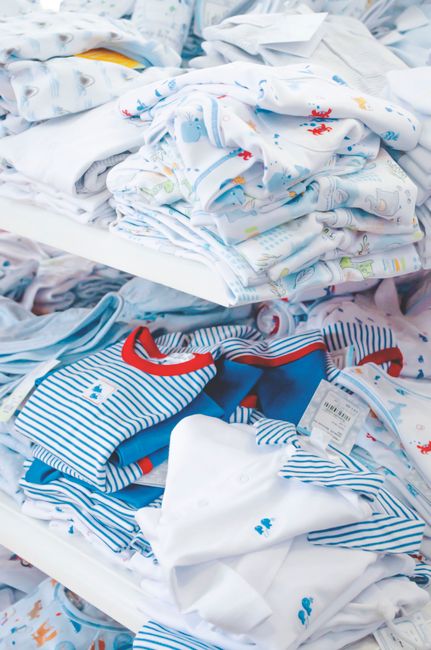
Choosing the right categories for children’s products is a strategic decision that ensures the protection of your business. Entrepreneurs often limit themselves to just one area, leaving gaps for competitors who might release related products under your name. To avoid such risks, it is prudent to cover all areas of your actual and potential activity.
When filing an application, it is important to consider the “ecosystem” development of the brand. For example, if you are sewing jumpsuits today, you might add rattles or educational cards to your assortment tomorrow. Registering in related categories will save resources and time in the future.
| Nice Class | Type of goods | Why it is needed |
|---|---|---|
| 3 | Cosmetics and care products | To protect brands of baby shampoos, oils, powders, and wipes. |
| 16 | Printed matter | Covers coloring books, children’s books, educational workbooks, and stickers. |
| 25 | Clothing and footwear | The basic class for manufacturers of onesies, dresses, and school uniforms. |
| 28 | Toys and games | Protects plush toys, construction sets, board games, and sports equipment. |
Special attention should be paid to Class 28, as it covers not only classic dolls or toy cars but also modern accessories for active play. Understanding this distinction helps strengthen the legal protection of your intellectual capital, preparing a foundation for confident business scaling.
Registration Strategy for a Family Brand
Scaling a family business often begins with a single successful clothing model, but it quickly grows into an ecosystem where, alongside jumpsuits, you find educational toys, cosmetics, or even mobile applications. In such a situation, brand registration must be one step ahead of actual sales so that competitors do not have time to “stake a claim” to your name in related niches.
A children’s brand is, first and foremost, a reputation for safety, so intellectual property protection must cover all points of contact with the consumer. If you already know which Nice Classification (NCL) classes to choose for clothing and accessories, it is worth expanding your planning horizon to include care products and games. This will prevent a situation where your logo on pajamas is protected, but another manufacturer is legally copying it on rattles.
| Product Category | NCL Class | What exactly we are protecting |
|---|---|---|
| Clothing and footwear | 25 | Bodysuits, jumpsuits, hats, booties |
| Toys and games | 28 | Dolls, construction sets, plush toys, puzzles |
| Baby cosmetics | 3 | “Tear-free” shampoos, baby oils, powders, creams |
| Education and books | 16 | Coloring books, children’s books, development cards |
- Conduct a trademark search not only in the primary class but also in potential expansion categories (e.g., 28 and 3).
- Register a graphic mascot (brand character) separately from the name to protect it from being used on any merchandise.
- Include classes for related services in the application, such as design (Class 42) or organizing children’s parties (Class 41), if you plan to develop a service component.
- Check the name for the absence of descriptive elements that are not eligible for legal protection (e.g., the words “Kids” or “Baby” are often weak elements of a trademark).
Special attention should be paid to characters. If your brand has a recognizable hero, it becomes an independent asset. Registering a mascot as a trademark in Class 28 blocks attempts by third parties to release toys in the shape of your hero. For a full protection cycle of raw material production or custom tailoring services, it is worth considering the specifics we detailed in our guide on how to protect an atelier’s name and tailor services. Properly selected NCL classes for children’s clothing and toys create a legal foundation for safe scaling without the risk of litigation with owners of similar names in adjacent categories.
Moving from general strategy to technical details, it is important to understand exactly which items Class 28 covers and how not to miss critical accessories for games.
Related material on the topic: Which NCL classes to choose for clothing, footwear, and accessories.
Nice Classification: Focus on Class 28 and Accessories
The legal integrity of a brand depends on the accuracy of category selection, where the risks of “forgotten” classes often lead to the loss of rights to merchandise. We will analyze the contents of Class 28 and the specifics of registering gaming accessories.
What is included in Nice Classification Class 28
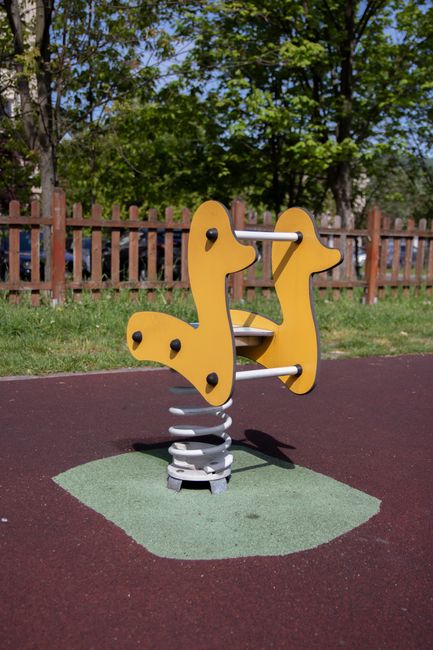
Nice Classification Class 28 is the designated category for goods related to leisure, physical development, and entertainment. In the children’s industry, this class covers not only toys but also complex sports equipment, which, due to the specifics of their use, are often mistakenly classified as furniture or general equipment. Clearly defining the list of goods in your application is the key to a successful trademark registration without objections from the examiner.
It is important for a brand to consider scalability. If you start by producing clothing (Class 25, details of which are provided in our overview of fashion brands), expanding your product range to include toys or accessories requires additional protection under Class 28. For example, a manufacturer of wooden cribs that adds mobiles to its product line does not have automatic protection for these toy elements without a separate registration.
| Category | Class | Examples |
|---|---|---|
| Children’s clothing | 25 | Costumes, dresses, footwear |
| Toys and sports | 28 | Construction sets, swings, sports corners |
| Cosmetics | 3 | Baby powder, “tear-free” gels |
Checklist for “family-oriented” brands:
- Check whether your trademark covers not only the main product but also related accessories (covers, developmental elements).
- Protect your mascot (character) as a separate figurative trademark to prevent competitors from using similar characters.
- If you have developed a unique appearance for a toy, consider registering it as an industrial design. Unlike a trademark, which identifies the brand, an industrial design protects the visual features (shape, lines, ornamentation) of the product, providing an additional layer of security against copying.
Remember about safety: official registration is not only a tool for protection against copying but also a signal of quality for the consumer. Brands that hold a trademark certificate inspire more trust when promoting on marketplaces.
Gaming accessories and their registration
When a brand goes beyond simple manufacturing, it faces the need to protect the related products that form the ecosystem of children’s leisure. Gaming accessories—from silicone teethers to complex construction sets—require not only proper classification but also legal protection of their design so that competitors cannot copy your recognizable aesthetic.
For a full protection cycle, it is important to understand the difference between primary and related categories. Manufacturers often focus only on clothing, ignoring the fact that gaming elements require a different registration logic. Below is a comparison that will help you navigate the Nice Classification categories:
| Product Category | Nice Class | What we are protecting |
|---|---|---|
| Clothing and footwear | Class 25 | Overalls, booties, hats |
| Toys and games | Class 28 | Dolls, toy cars, playsets |
| Baby cosmetics | Class 3 | Baby shampoos, oils, diaper rash creams |
Choosing the right Nice classes for children’s clothing and toys is not just about bureaucracy, but about strategic security. If you plan to release branded gaming accessories under the same name as your textile collection, the lack of protection in Class 28 opens the door for “patent trolls” who may register your name in this niche before you do.
Anton Polikarpov’s advice: Protecting accessory design elements works best in synergy. Register not only the name but also the graphic execution of key details. For example, the specific shape of ears on a baby teether can become your trademark object. This creates an additional barrier for those trying to “borrow” the visual code of your product.
Experienced market players also pay attention to hidden classes related to raw material production and design services. This allows for quality control at every stage—from the sketch to the finished product on the store shelf. Timely registration of intellectual property ensures a level of parental trust that cannot be bought with simple advertising, as the official status of a brand is a marker of responsibility and stability.
Special attention should be paid to visual characters, which often become the face of an accessory line and require a separate legal approach.
Related material on the topic: How to protect the name of an atelier and custom tailoring services.
Character Protection: How Not to Lose the Heart of Your Brand
Beyond the name, a key asset of a children’s brand is its visual character; therefore, protecting the character requires a combination of copyright and trademark registration to prevent the risks of competitors using unauthorized mascots.
A Character as a Trademark Element
A mascot character often becomes more valuable than the text name itself, as children identify the brand primarily through its visual image. In the legal sphere, such a character acts as a graphic trademark, allowing the owner to prohibit any similar imagery within selected classes of goods.
When filing an application for character registration, it is important to adhere to technical requirements that will ensure the broadest possible scope of protection. We recommend considering the following criteria when preparing the graphic image:
- Color scheme: Registration in black and white often provides broader protection, allowing the character to be used in any color, although for children’s brands, securing specific brand shades can also be critical.
- Angles: If the character has a complex shape, it is worth submitting a primary image that most fully reveals its characteristic features.
- Absence of fine details: The image must be clear even when significantly reduced, for example, on a clothing tag or a small toy.
In our practice, there was a case where a Ukrainian toy manufacturer lost the rights to their mascot—a funny bear—because they believed that the artist’s “copyright” was sufficient. Competitors, however, registered a similar graphic element as a trademark in Class 28. Now, the original manufacturer is forced to prove their case in court, spending resources that could have gone toward marketing. This clearly demonstrates that legal protection for a mascot must be comprehensive and preventive.
Understanding how to properly file an application helps avoid refusals due to similarity with existing characters, which is especially relevant when attempting to use popular images without appropriate licenses.
Risks of using unauthorized characters
Using recognizable images without the copyright holder’s permission is a direct path to lawsuits and having goods seized at customs. Entrepreneurs often make the mistake of thinking that changing the color or minor details of a mascot makes it a “new” object. In reality, Nice Classification classes for children’s clothing and toys cover not only physical products but also ownership rights to visual images. To avoid risks, it is important to consider the specifics of different categories:
| Nice Classification Class | Product Category |
|---|---|
| Class 3 | Children’s cosmetics, shampoos, creams |
| Class 25 | Clothing, footwear, headgear |
| Class 28 | Toys, game accessories, dolls |
Companies specializing in the manufacture of children’s products must take a comprehensive approach to protecting their intangible assets. Manufacturers should ensure that contracts with designers clearly transfer property rights and that, before launching products, they conduct a registry search for similar registered characters in classes 28 and 25. Understanding these nuances is especially important when expanding a product line, as additional classes for related services (design, raw material production) ensure a full cycle of intellectual property protection in fashion.
Protection through brand registration is not just a legal requirement, but also a marker of responsibility. Official status strengthens trust in product quality and minimizes risks when working with large retailers. For a deeper understanding of development strategies, we recommend reviewing our materials on the specifics of fashion brands, which reveal the intricacies of scaling this business.
Safety and Trust: The Role of Official Registration
The legal integrity of a brand directly influences the loyalty of parents who are looking for safe and verified products. Let’s examine how registration becomes a marker of quality and helps build trust in competitive marketplaces.
Registration as a Quality Marker
In the baby products niche, trust is the foundation of sales, and official registration is a marker of quality, signaling a business’s readiness to take responsibility for product safety. When parents see the ® symbol, they subconsciously perceive it as a guarantee that the product has passed government inspections. It is important to remember that a children’s brand develops as an ecosystem, so intellectual property protection requires a broader approach than in adult categories.
Expanding your product line requires strategic distribution across Nice Classification classes:
| Category | Nice Class | Focus of Protection |
|---|---|---|
| Baby cosmetics | 3 | Care products, powders |
| Clothing and footwear | 25 | Textile products |
| Toys and accessories | 28 | Games, play sets, equipment |
For comprehensive protection of your ecosystem, it is also important to consider classes 40 and 42, which cover raw material production and design services. This allows you to control quality from the initial sketch to the finished product. If you are planning to scale, pay attention to the specifics of protection in our specialized materials and the nuances of fashion branding.
Checklist for “family-wide” brands:
- Protect mascots (characters) as figurative trademarks to prevent your unique heroes from being copied.
- Consider registering toys (Class 28) even for accessories if they feature a unique design.
- Select classes for related services if the brand provides consultations or educational materials for parents.
Official registration is a critical element of the safety system. It allows you to include your brand in the customs register, effectively blocking the import of dangerous counterfeits, which protects both the manufacturer’s reputation and consumer health.
How to stand out on marketplace shelves
Presence on marketplaces requires a brand to have not only eye-catching packaging but also a rock-solid legal foundation. When your product enters a general catalog alongside hundreds of similar items, trademark registration becomes the only effective tool for removing listings from infringers who copy your design or use similar names. This is critical for the children’s segment, as parents subconsciously look for proof of safety, and marketplaces prioritize protecting those who hold certificates.
Scaling a children’s brand often follows the logic of “from small to large”: starting with booties, an entrepreneur quickly adds educational games to the assortment, and later, children’s cosmetics or bedding. Each such step requires expanding legal protection, as the Nice Classification (NCL) classes for children’s clothing and toys differ significantly from those required for related goods. Unlike the adult fashion segment, where one or two classes may suffice, a children’s brand is an entire ecosystem that requires protection across various product categories simultaneously.
| Product Category | NCL Class | What we are protecting |
|---|---|---|
| Clothing and footwear | 25 | Overalls, shirts, pajamas, baby shoes. |
| Toys and games | 28 | Stuffed toys, board games, construction sets, gaming accessories. |
| Children’s cosmetics | 3 | “Tear-free” shampoos, body oils, baby creams, and powders. |
Special attention should be paid to class 28, which covers not only toys themselves but also specific leisure accessories. If you plan to release products for the whole family, your legal checklist must include checking the name for uniqueness in each of the selected classes. Do not forget about character protection: the visual image of a mascot that adorns both pajamas and a puzzle box must be registered as a figurative trademark. This will close the loophole for competitors who try to parasitize on your character’s recognition by creating similar but “slightly altered” copies. A full protection cycle, which even includes classes for design and production (e.g., 40 or 42), allows you to control the brand from the sketch to the store shelf.
Understanding how to correctly select NCL classes helps avoid a situation where your brand is protected in the “toys” category but defenseless against copying in the “children’s textiles” segment. A systematic approach to registration creates the very added value that turns an ordinary product into a recognizable asset.
If you need help with this task, take advantage of the offer Trademark registration.
How to start protecting a children’s brand?
Protecting a children’s brand requires a strategic approach covering several categories simultaneously, as product lines for babies usually expand faster than in the adult segment. To ensure a comprehensive legal foundation, businesses should focus on the specifics of product groups that often overlap within a single project.
| Product Category | NCL Class | What exactly we are protecting |
|---|---|---|
| Clothing and footwear | 25 | Bodysuits, jumpsuits, booties, hats, and everyday children’s clothing. |
| Toys and games | 28 | Educational games, soft toys, rattles, and accessories for active leisure. |
| Baby cosmetics | 3 | Baby shampoos, oils, powders, and products for sensitive skin care. |
For companies that position themselves as “brands for the whole family,” it is critical to correctly choose NCL classes for children’s clothing and toys, taking into account not only the current assortment but also future plans. If your brand has a vibrant mascot, I recommend registering the character as a separate graphic trademark — this will block attempts by third parties to release unauthorized merchandise or use the character in advertising similar services. Official registration through the Ukrainian National Office for Intellectual Property and Innovations (UANIPIO) is not just a formality, but a safety marker that builds trust with parents and opens doors to the shelves of leading marketplaces.
Trademark registration is an investment in the security and capitalization of your business, allowing you to scale confidently in the market. Take care of the legal integrity of your brand today so that tomorrow your ideas work exclusively for your success.
Frequently Asked Questions
Do I need to register a trademark separately for each country if I plan to export children’s goods?
Yes, as a general rule, trademark legal protection is only valid within the borders of the country where the registration was conducted (the principle of territoriality). If your children’s brand is entering the international market, registration in Ukraine will not be sufficient to protect it from being copied in other countries.
There are two main ways to enter international markets:
- National registration: filing separate applications with the patent offices of each country where you plan to sell your goods.
- International registration under the Madrid System: allows you to file a single international application through an IP office, which extends to the member countries of the agreement you have selected. This significantly simplifies administration and saves resources.
Important: the approach to selecting Nice Classification (NCL) classes may vary depending on the jurisdiction, so it is worth conducting a preliminary risk analysis for each target market before beginning your expansion.
How to protect a unique technology or toy manufacturing method, besides registering a trademark?
Registering a trademark only protects the “face” of your brand—the name, logo, or character. However, if your toy has a unique design, mechanism, or functionality, this may not be enough.
To protect technical solutions and the external appearance, there are other intellectual property objects:
- Utility model or invention: allow you to patent the technical essence of the invention (how a mechanism works, how a construction set is assembled, etc.).
- Industrial design: an ideal tool for protecting a product’s design—its shape, lines, color scheme, and proportions. Registering an industrial design will help stop competitors who release products identical in appearance, even if they use a different brand name.
What to do if someone else is already using my children’s brand name on social media?
Having an Instagram or TikTok page does not give you priority rights to a trademark, but it is important evidence of the use of a designation. If you notice that someone is using your name, the first step should be to check the registration status of your trademark.
If you are already the owner of a certificate for goods and services, you have the legal right to demand that the infringement be stopped. The procedure usually includes:
- Sending an official claim to the infringer.
- Using the internal tools of marketplaces or social networks (Report Infringement/IP Complaint) to block the page or listing.
- Going to court if there is no response from the infringer.
If you have not yet filed an application for registration, the situation becomes more complicated. We recommend that you immediately begin the process of trademark registration to secure your rights and obtain a legal tool for protection in the future.
Can I change the logo or name after the application has already been submitted to the patent office?
Intellectual property legislation has strict rules regarding making changes to a submitted application. You may only make minor corrections that do not alter the essence of the mark (for example, correcting technical errors or updating an address).
If you wish to fundamentally change the logo design, alter the color scheme, or add a new word to the name, you will have to file a new application. This is why it is critical to finalize your brand concept before submitting the documents. If you are uncertain about the future visual solution, it is better to first consult with specialists regarding how your trademark will look after registration.
How do marketplaces verify the authenticity of children’s products using trademarks?
Today, leading marketplaces (Amazon, Rozetka, Prom, and others) pay great attention to protecting intellectual property rights. They have brand protection programs (Brand Registry) that allow rights holders to:
- Control the content of their product pages (descriptions, photos).
- Identify and automatically remove listings of counterfeit products.
- Use advanced analytics and marketing tools.
Trademark registration is a mandatory requirement for accessing these tools. When you add information about your registered trademark to the marketplace system, the platform begins to automatically monitor for violations, which increases parental trust: they see that the product has undergone official certification and belongs to a legal brand, rather than a “fly-by-night” company.